
Introduction: Hybrid Work Has Redefined the Endpoint Security Boundary
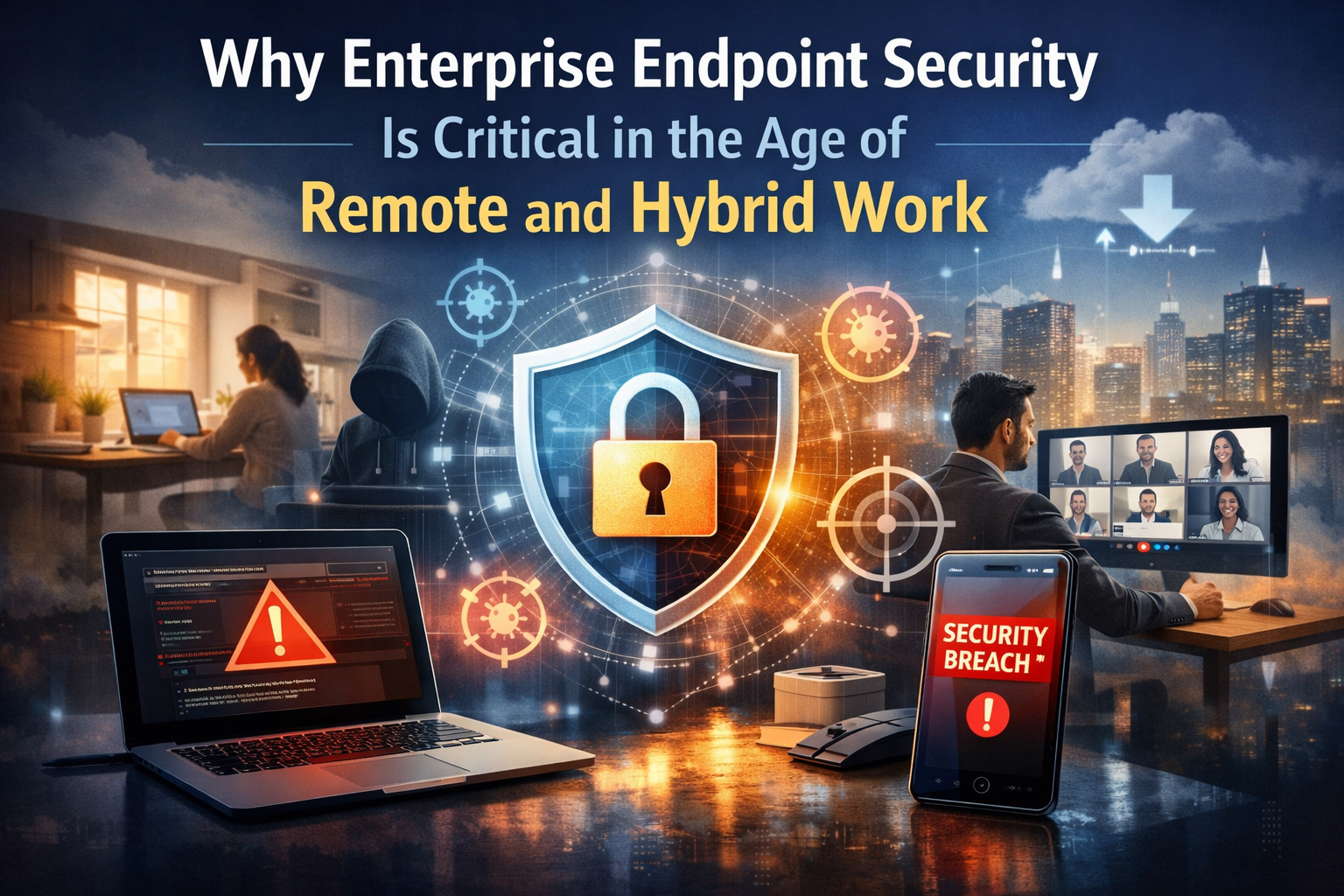
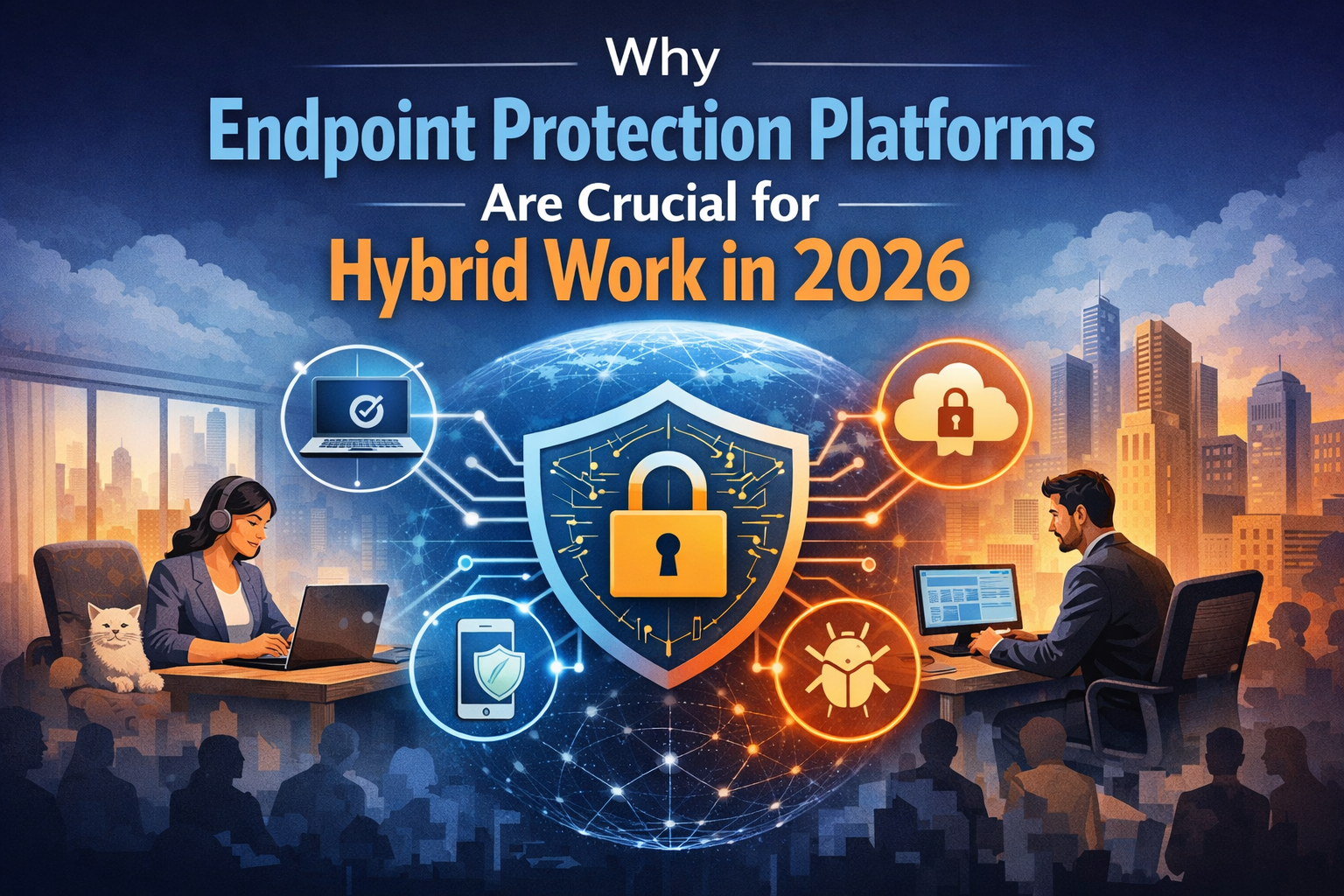
Hybrid work has dissolved the traditional enterprise perimeter. Employees now connect from offices, homes, co-working spaces, and public networks using unmanaged and managed devices. This distributed model expands the attack surface and increases exposure to ransomware, phishing, and credential theft.
To address this shift, enterprises are increasingly adopting cloud-based endpoint security solutions such as Seqrite Endpoint Protection Cloud to maintain consistent protection, real-time visibility, and centralised control across all endpoints, regardless of location.
The Shift to Cloud-Managed Endpoint Security
Traditional endpoint protection models rely on on-premises infrastructure. In hybrid environments where endpoints frequently move between networks, such as a mobile workforce, traditional models struggle to scale.
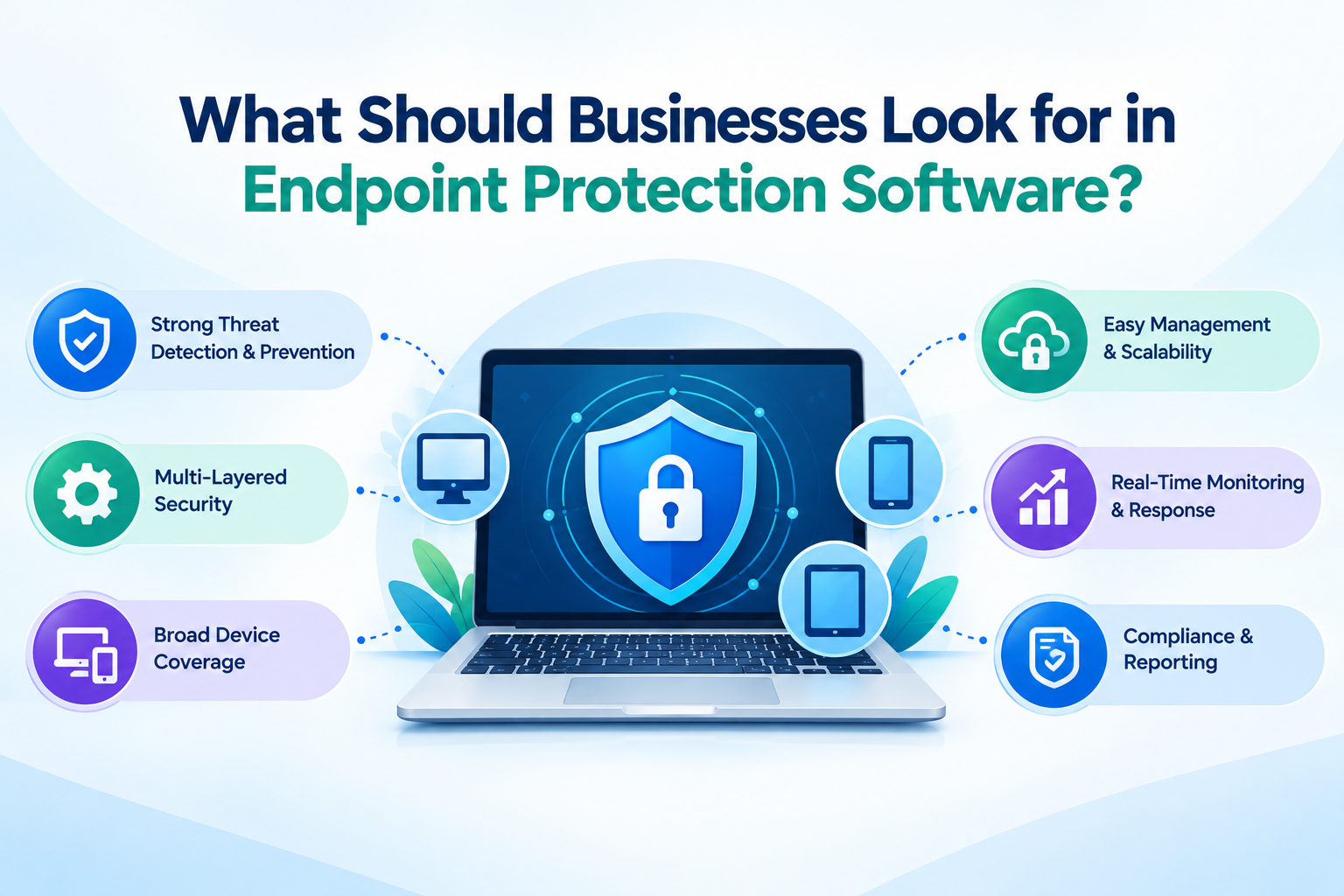
In contrast, modern enterprises implement cloud-based endpoint protection platforms that centralise policy enforcement, threat detection, and response capabilities. This cloud-centric approach eliminates reliance on local servers and enables security teams to manage an enterprise's distributed endpoints from a single centralised console.
With the adoption of Seqrite's cloud-first security architectures, organisations can implement a Cybersecurity Mesh, enabling consistent security policy enforcement across endpoint devices, network infrastructure, and cloud workloads.
Security Challenges in Hybrid and Remote Work
Using hybrid working models creates several security weaknesses that attackers are actively targeting, these include:
1) Employees connect to unsecured home networks, often using routers with weak configurations and outdated firmware.
2) Employees install cloud-based applications not approved by IT to improve productivity, creating shadow IT risks.
3) Organisations must secure a wide range of devices such as laptops, smartphones, and BYOD devices, often across multiple OS environments.
4) Traditional security solutions do not respond quickly enough to detect and mitigate threats.
5) Remote employees have a greater volume of email and web-based attacks.
Organisations are increasingly adopting cloud-based endpoint security solutions to enable continuous monitoring and adaptive protection.
Benefits of Cloud-Based Endpoint Security
Enterprises gain significant advantages when they move endpoint protection to the cloud:
1. Centralised Visibility and Control
Security teams can view every endpoint within an organisation through a single dashboard, providing clear visibility into network activity regardless of location.
2. Real-Time Threat Detection
AI and machine learning analytics will quickly identify anomalies or malicious activity, reducing the time attackers dwell in the network.
3. Scalable Architecture
Cloud platforms scale easily as organisations add new users, devices, or locations, without requiring infrastructure upgrades.
4. Faster Incident Response
Automated remediation processes isolate compromised endpoints quickly, limiting spread and reducing the risk of lateral movement across the organisation.
5. Continuous Updates
Cloud-native systems receive instant threat intelligence updates, ensuring protection against emerging threats.
Quick Heal Technologies Limited, through its enterprise security portfolio, strengthens this approach with threat intelligence from Seqrite Labs, enabling proactive defence against evolving attack vectors.
Best Practices for Securing Distributed Endpoints
To maximise the effectiveness of cloud-based endpoint security, businesses should implement a structured approach:
Adopt Zero Trust principles
Before granting network access, please make sure to verify the device and user.
Employ strong endpoint hygiene policies
All devices must have regular patches, encryption, and secure configuration compliance.
Implement a behaviour-based detection mechanism
Employ AI-driven analytics to identify anomalous activity that traditional signature-based threat indicators cannot detect.
Segment endpoint access
Limit device access based on role, posture, and risk status.
Integrate Endpoint Detection and Response (EDR) capabilities
Use cloud-based monitoring tools to enable faster investigation and containment through integrated EDR workflows.
Educate employees continuously
Strengthen awareness around phishing, credential safety, and secure remote practices.
Conclusion: Securing the Hybrid Future with Cloud-First Endpoint Protection
The modern workplace is defined by hybrid work, making enterprise endpoints highly vulnerable to attacks. Legacy tools no longer provide sufficient protection; organisations must adopt modern, adaptive security strategies.
Organisations that implement an effective cloud-based endpoint security framework gain several advantages, including greater visibility, the ability to enforce consistent policies, and the ability to respond quickly to threats across any device or location.
Discover how Seqrite Endpoint Protection Cloud helps enterprises become more resilient through its advanced cloud endpoint security and unified endpoint protection solutions.






Write a comment ...