
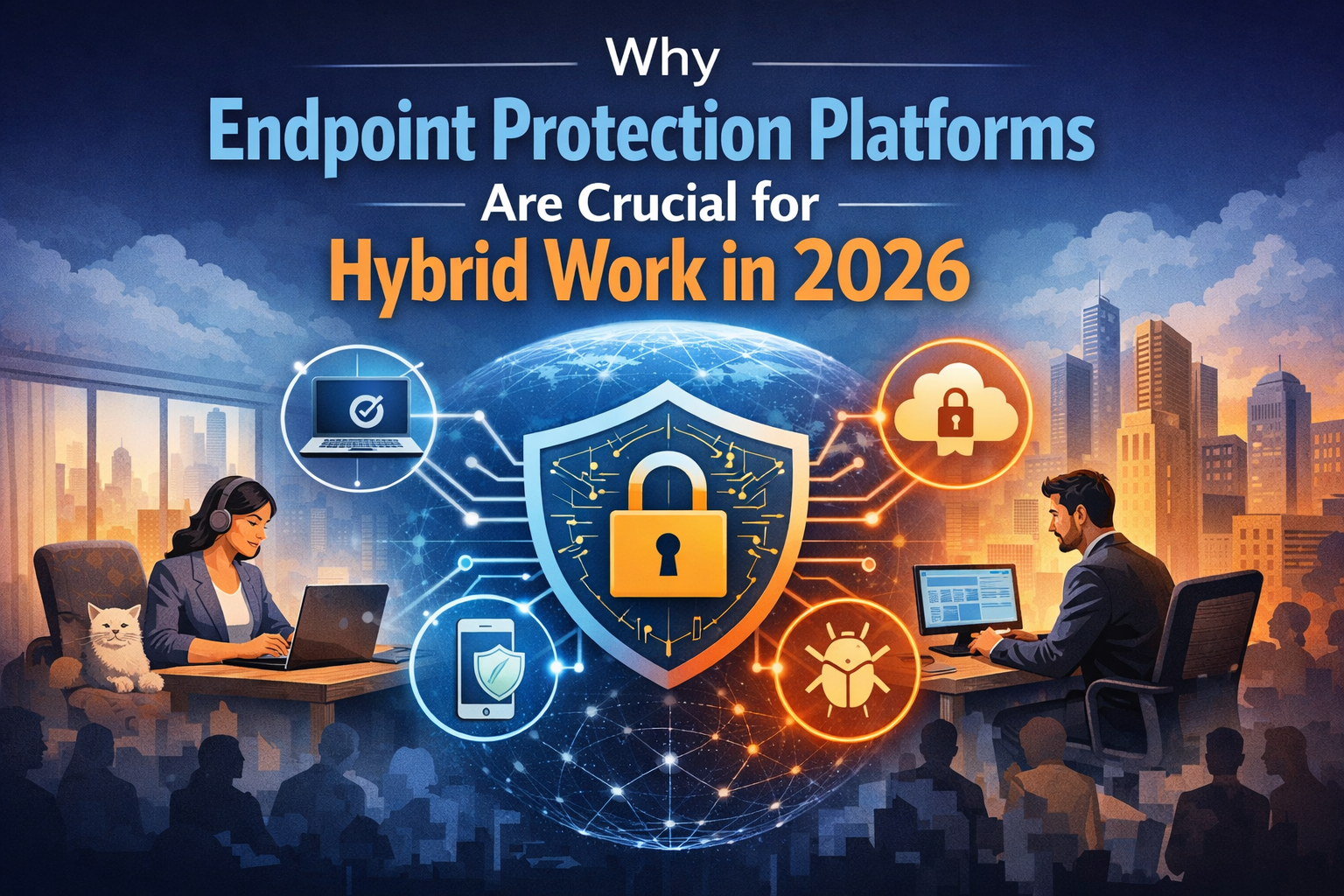
Indian companies are rapidly implementing multi-cloud systems, hybrid work environments and distributed applications. The advantages of this transition will be numerous (primarily increased flexibility), but the disadvantages will include an expanding attack surface. The use of AI by cybercriminals for malware creation and identity-based attacks, as well as the exploitation of cloud computing to target application environments, makes it necessary for Board Members, CIOs and CISOs to prioritise security for cloud endpoint devices.
To address these issues for Indian companies operating in complex digital ecosystems, it is necessary to provide unified visibility, enhanced access controls, and continuous monitoring powered by real-time threat intelligence. Solutions from Seqrite, the enterprise division of Quick Heal Technologies Limited, offer an innovative framework for protecting devices, identities and data in multi-cloud environments. Seqrite Labs' threat intelligence enables the brand to protect over 30,000 enterprises in both India and the US.
Emerging Multi-Cloud Risks That Overwhelm Traditional Controls
Today, many Indian companies running workloads include all three clouds: two cloud providers and one on-premises infrastructure. The benefit of the multi-cloud approach is agility; however, its fragmented nature can create challenges for legacy endpoint security.
By 2026, some of the critical risks associated with multi-cloud include:
- The inconsistency of security policies among cloud providers creates gaps and misconfiguration.
- The deployment of shadow IT, including containerised workloads and unapproved SaaS applications.
- Lateral movement from cloud identities by attackers using API keys, service accounts, or overly permissive IAM roles.
- Drift of endpoint devices connecting to cloud resources without the benefit of standardised hardening.
Heightened Compliance Requirements for Indian Enterprises
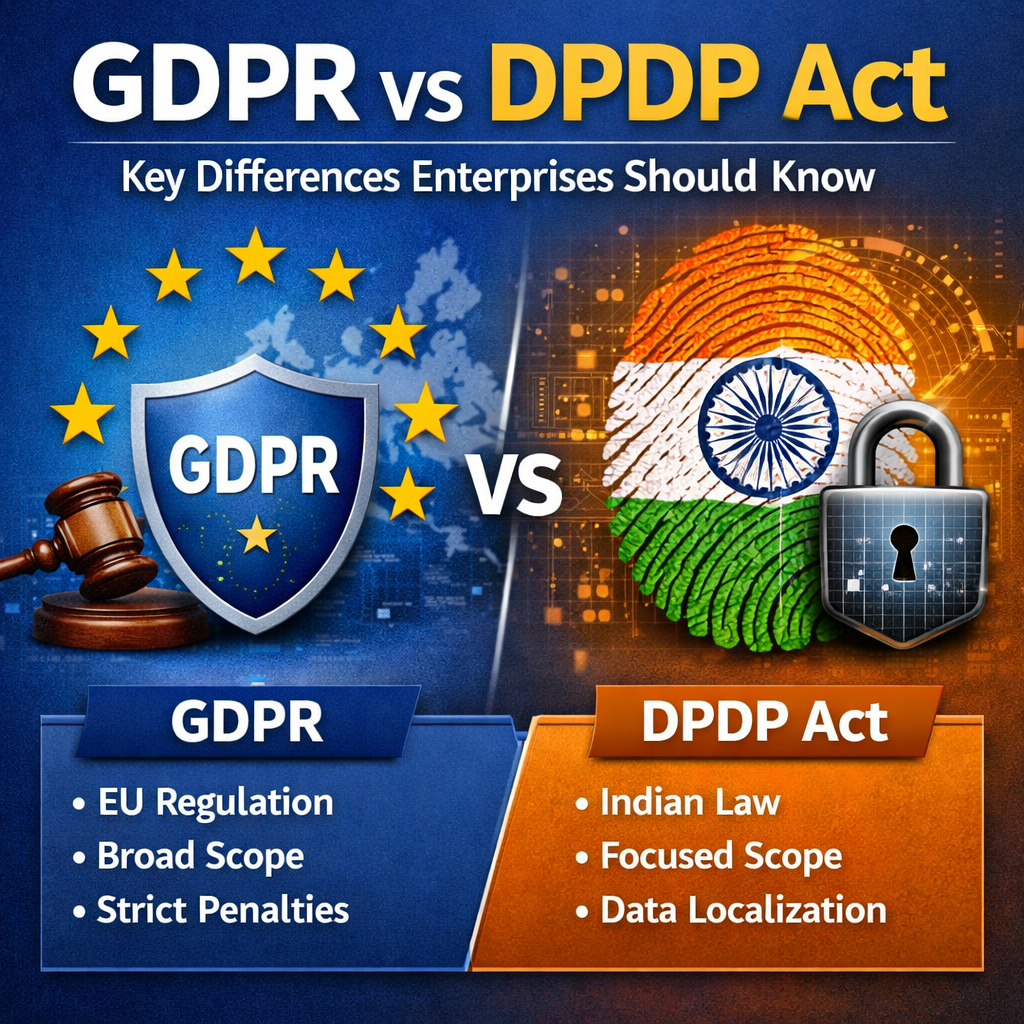
With data sovereignty regulations tightening, Indian organisations face stringent controls around the storage, access, and movement of sensitive information. The Digital Personal Data Protection (DPDP) Act, sectoral RBI and IRDAI guidelines, and global frameworks such as GDPR demand:
Strong access governance for cloud workloads and endpoints
Complete visibility of data flows between endpoints and cloud apps.
Ongoing posture verification to ensure compliant configuration
Automated reporting and audit-ready evidence of compliance
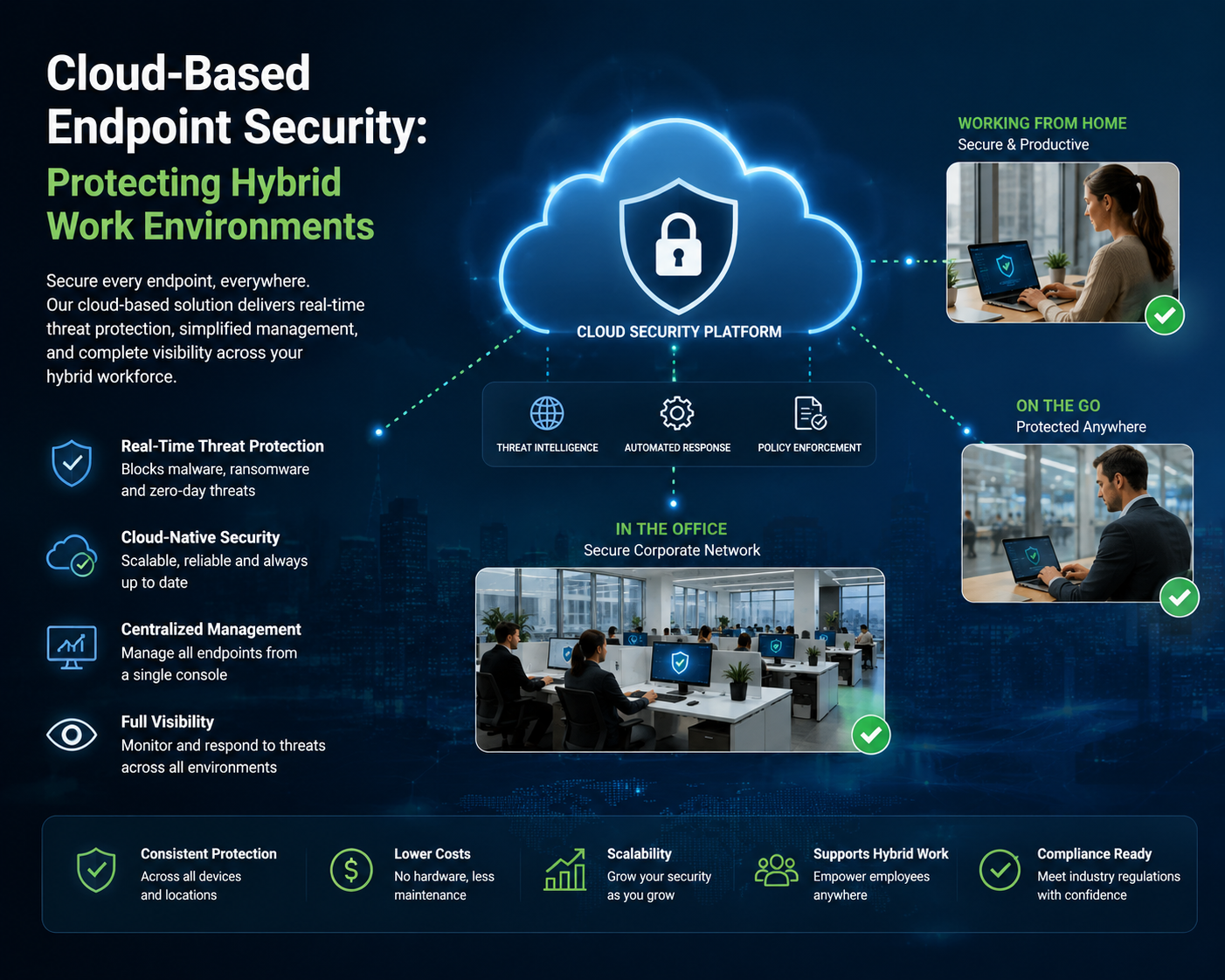
Enterprises must implement cloud based endpoint security platforms with consistent controls applied across multiple cloud environments and enable real-time compliance-first security operations.
Zero Trust Integration Becomes a Security Imperative
By 2026, Zero Trust will no longer be a concept; it will be a reality. The increasing use of hybrid workforces accessing mission-critical applications via unsecured or unmanaged networks has created a need to integrate endpoint security with Zero Trust to provide a baseline level of security for Cloud-based applications.
Endpoint strategies that follow the principles of Zero Trust in today's world will include:
Internet-based identity authentication (validating identity before providing access to a cloud application)
Evaluating device posture (OS version, patching status, security enforcement) dynamically
Using micro-segmentation as a method to enforce least-privilege access
Creating adaptive security policies triggered by behavioural anomalies
Leveraging security solutions such as ZTNA, EDR and XDR to enhance security for cloud endpoints by removing implicit trust from interactions between the user, the device and the application.
Cloud-Environment Monitoring, Detection & Incident Response
Cybercriminals now leverage AI-powered tools to automate reconnaissance, privilege escalation, and lateral movement. Therefore, businesses in India require the ability to monitor, correlate and analyse data derived from endpoints, networks and cloud applications around the clock.
Companies should implementseveralf measures to enhance their cloud endpoint security:
Implementing AI/ML-driven threat detection helps to identify previously unknown or unusual behavioural anomalies.
Providing centralised dashboards enables organisations to eliminate siloed operations.
Automating processes will contain compromised endpoints
24/7 MDR service allows rapid response to incidents
With this type of continuous defence architecture in place, Security Operations can minimise dwell times and the damage occurring from a cyber incident.
A Practical Deployment Guide for Indian Enterprises
Organisations need a structured method for rolling out their enterprise-wide cloud service and for addressing cloud security violations before they can successfully roll out at the enterprise level. The following four steps should be followed during the structured rollout process:
1. Evaluate current attack surfaces for cloud-based threats, including all endpoints, SaaS, IaaS, and AP, as well as any identity-based controls.
2. Establish standardised endpoint security baseline configurations across all categories of devices utilised within the organisation, including classification of all users into three tiers with respect to organisational policies.
3. Integrate security solutions with Identity Management systems for alignment with Zero Trust security principles.
4. Deploy a multi-cloud policy orchestration system to ensure unified endpoint configuration and visibility across multiple cloud service providers.
5. Enable continuous real-time monitoring of endpoint threats using an EDR/XDR solution by utilising real-time threat intelligence feeds.
6. Execute periodic ‘attack’ simulation testing of incident response procedures to verify readiness to respond appropriately to an actual event.
Conclusion: Build Your Endpoint Security Cloud Services NOW – Before You Get Hit
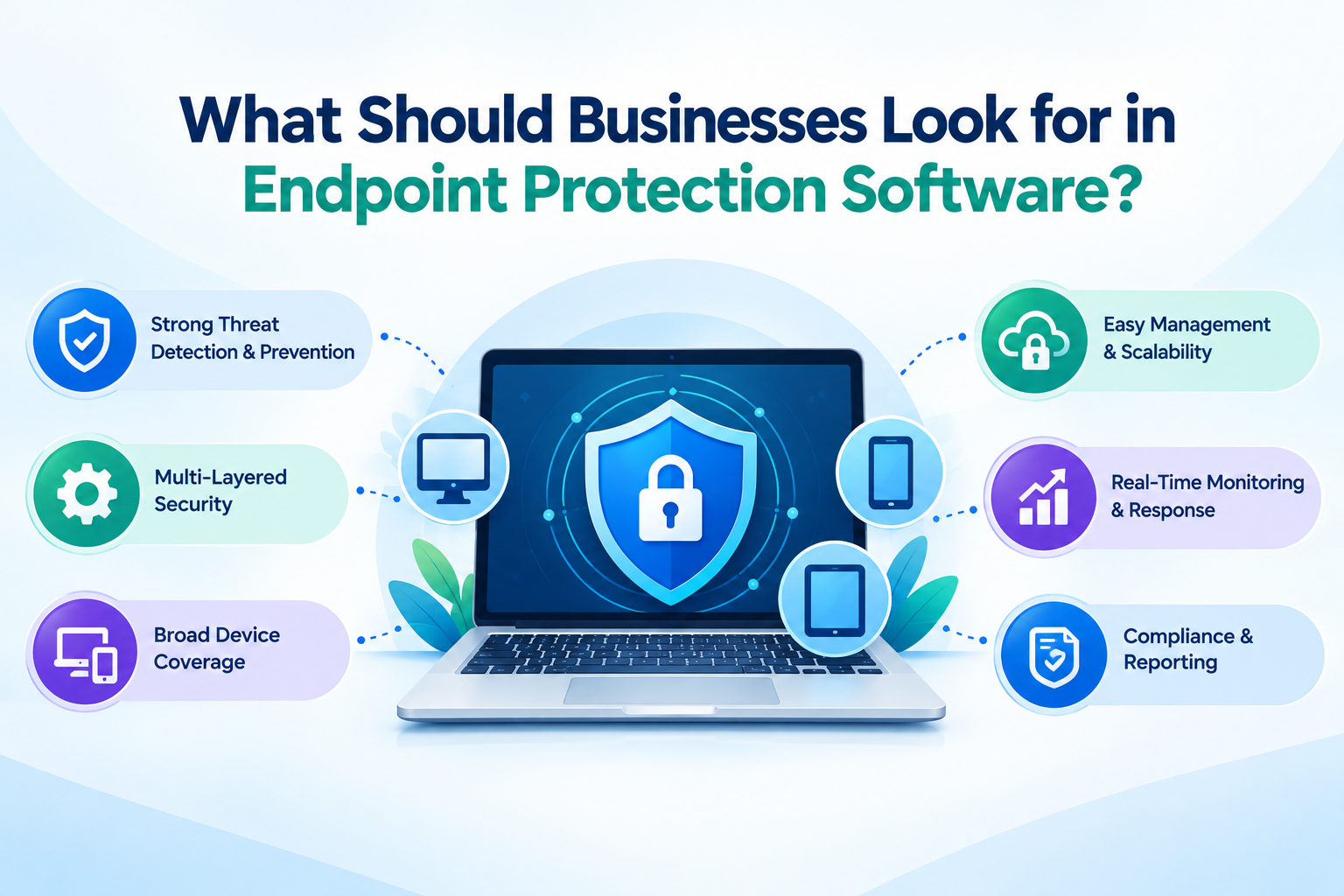
In 2026, Indian enterprises will be unable to navigate an ever-changing cyber threat landscape without utilising current-generation endpoint protection technology and having unified security controls for cloud services. By developing a unified cloud endpoint security model that leverages existing Zero Trust principles, continuous monitoring practices, and sound compliance governance, businesses will ensure they remain capable of defending against dynamic technology risks.
If you want to protect your multi-cloud environment through overall organisational security at an enterprise level, look no further than Seqrite's complete portfolio of advanced endpoint, EDR/XDR, ZTNA, MDR, and data protection solutions. Speak with our team today if this is a goal that interests you.





Write a comment ...