
Businesses currently operate in a data-driven world where data helps to drive forward innovation, improve decision-making and create great experiences for customers; however, with growing examples of how to misuse data as well as data breaches, and increasingly complex cross-border regulations, businesses find themselves under increasing pressure to demonstrate accountability by having adequate Governance controls and building customer confidence.
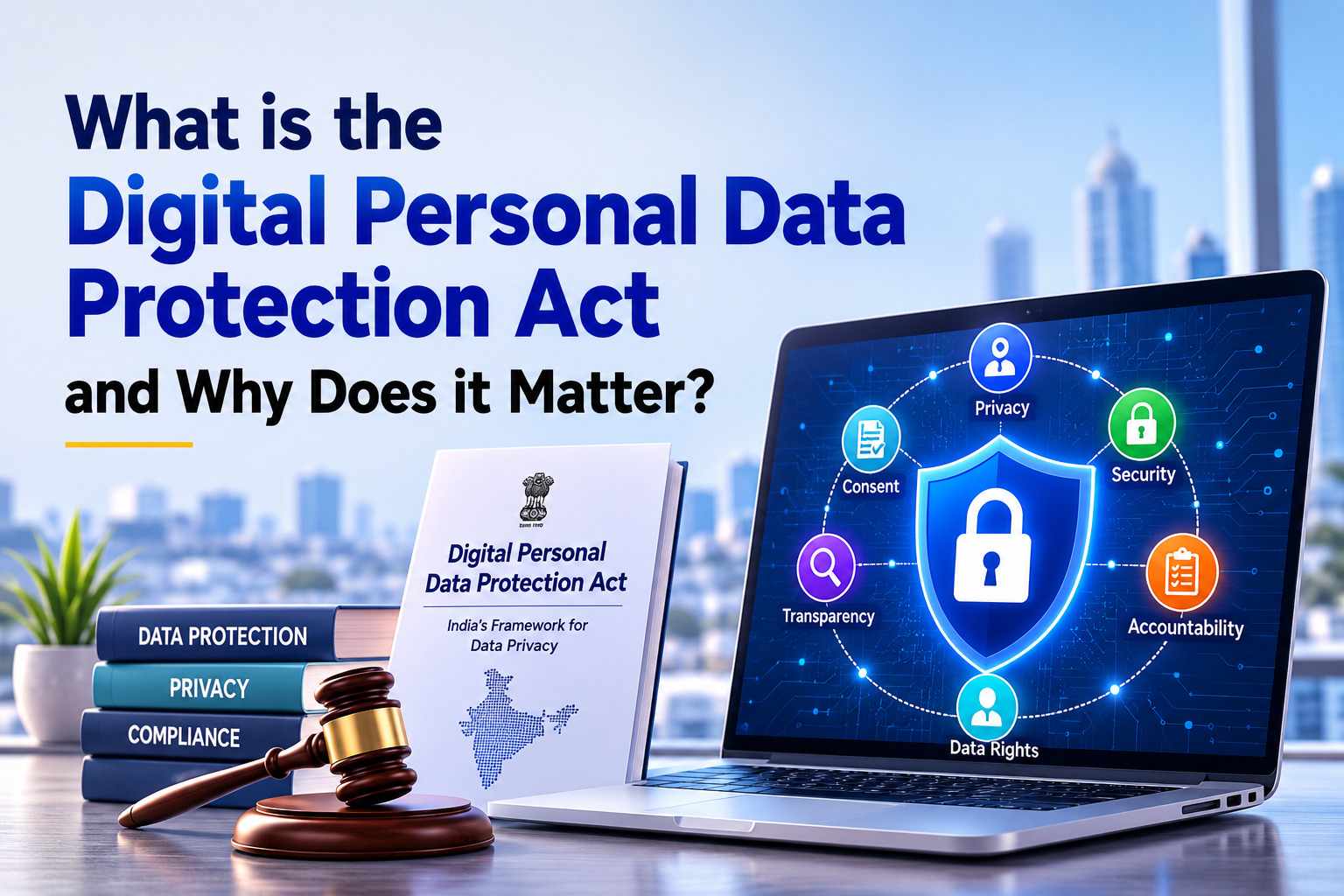
The Digital Personal Data Protection (DPDP), India's first comprehensive Data Privacy Legislation, changes how organisations will comply with data protection regulations and requirements. The DPDP provides a single, uniform set of criteria (a framework) for the collection, use, storage, and transfer of customer data. This means that organisations that wish to comply with Data Privacy Regulations in India will need to have knowledge and experience with the DPDP to ensure business continuity and reduce the risks associated with poor data management.
The Evolution of Data Privacy in India
The trend towards codified data protection in India is advancing rapidly, with the past 10 years changing how the country protects people’s right to privacy.
Legislation consisting of the Information Technology (IT) Act of 2000 and the Sensitive Personal Data and Information (SPDI) Rules of 2011 put into place a basic level of data protection, the Puttaswamy judgement of 2017 recognised the right to privacy as a fundamental right, and thus created additional impetus for data protection legislation based upon rights.
Several committees have worked on drafts that laid the foundation for a modern data protection framework that aligns with the rest of the world.
The Digital Personal Data Protection (DPDP) Act is the culmination of years of development, as it closes gaps in existing legislation and sets a path for the future that balances businesses’ ability to promote innovation and growth with the protection of individual rights.
Core Principles of the DPDP Act
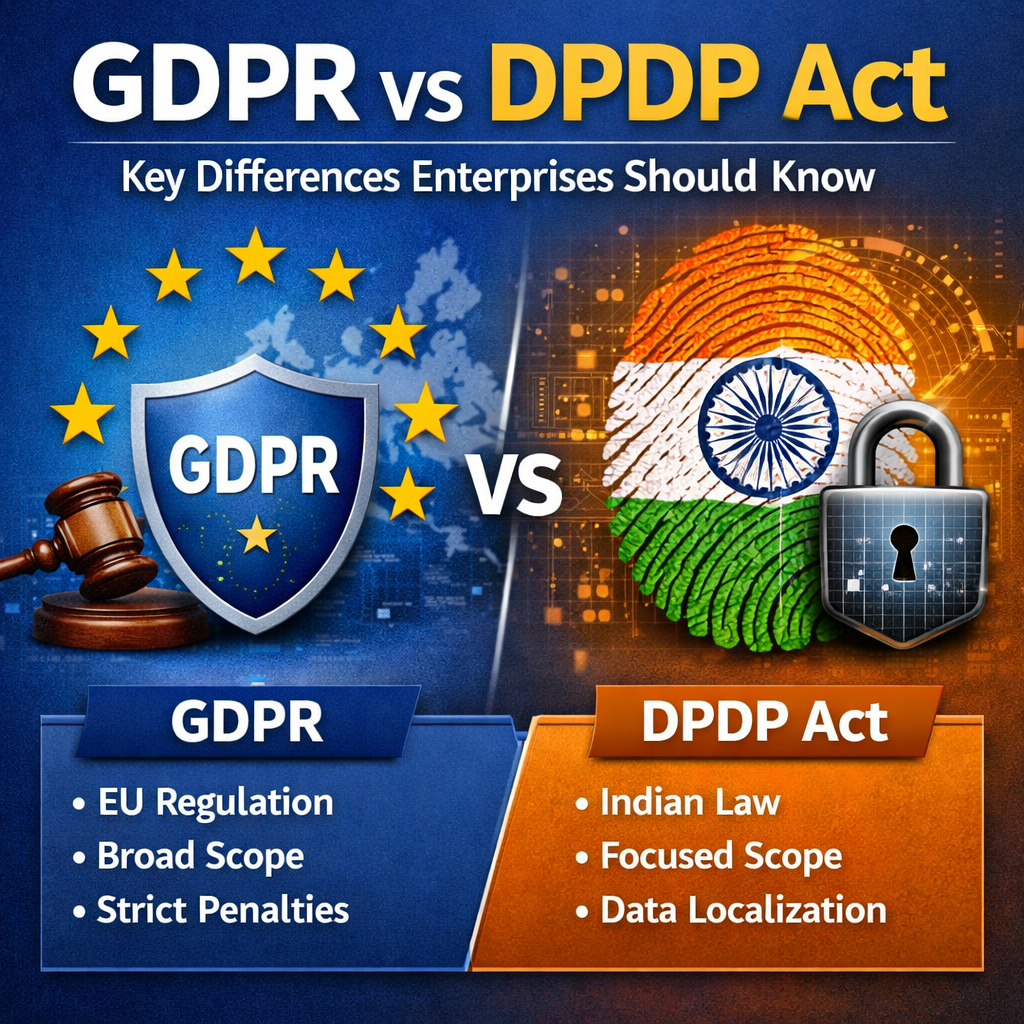
The DPDP Act will help bring India’s data protection regime closer to the global benchmark of the General Data Protection Regulation (GDPR), while still providing an efficient operational framework. The DPDP Act codifies a set of privacy principles that all businesses must adhere to when designing their systems and processes.
1. Purpose Limitation – Businesses must only collect and process data for clear, lawful and specific purposes that are communicated to the user.
2. Data Minimisation – Businesses must only collect the minimum amount of personal data necessary to fulfil the purpose for which the data was collected. No conducting excessive data retention or hoarding of any type of data is allowed.
3. Consent-First Processing – The DPDP Act requires that businesses seek explicit, informed consent before collecting and processing any personal data. Any notices provided to the user must be written in a clear, understandable, accessible format and available in each of the Indian languages.
4. Storage & Retention Restrictions – Organisations only need to keep individuals' personal data as long as they require it. As soon as it is no longer necessary for the purpose for which it was originally collected, it must be safely disposed of.
5. The accuracy of data & accountability – To ensure data accuracy & accountability, organisations must ensure data is accurate; this includes demonstrating they have put in place the right organisational (and technical) controls to enable compliance.
6. Rights-based governance – People will now have the right to access and correct their personal information, request the deletion of their data, and raise complaints; this will improve trust and transparency.
What the DPDP Act Changes for Enterprises
Changes in compliance obligations under DPDPA mean how Indian (and many countries outside India) businesses operate/change.
Strong Compliance Standards:
Businesses will have to appoint a Data Protection Officer (DPO) and maintain records demonstrating continuous compliance with the DPDPA.
Increased Penalties:
Penalties for non-compliance can be as high as ₹250 crore, depending on the severity of the issue. As such, companies will face greater economic and reputational risk than ever before.
Accountability For Fiduciaries And Processors:
The DPDPA introduces clear differentiation between Data Fiduciaries and Data Processors, assigning direct accountability to the party that defines the purpose(s) for which data is being processed.
Cross-Border Data Transfer Rules:
The DPDPA provides some flexibility compared to earlier drafts; however, it limits the ability to transfer data across borders to jurisdictions designated by the Indian Government as “trusted.”
Special Requirements For Child Data:
Websites and online platforms must obtain parental consent and provide a high degree of assurance for children under 18.
In this context, having enterprise-level cybersecurity/privacy technology will be critical for organisations.
How Seqrite Helps Enterprises Accelerate DPDP Compliance
Seqrite facilitates operationalisation and alignment of DPDP requirements through AI/ML-based security controls that align with Cybersecurity Mesh Architecture principles. Seqrite’s solutions help organisations:
1. Prevent unauthorised access through Zero Trust Network Access (ZTNA)
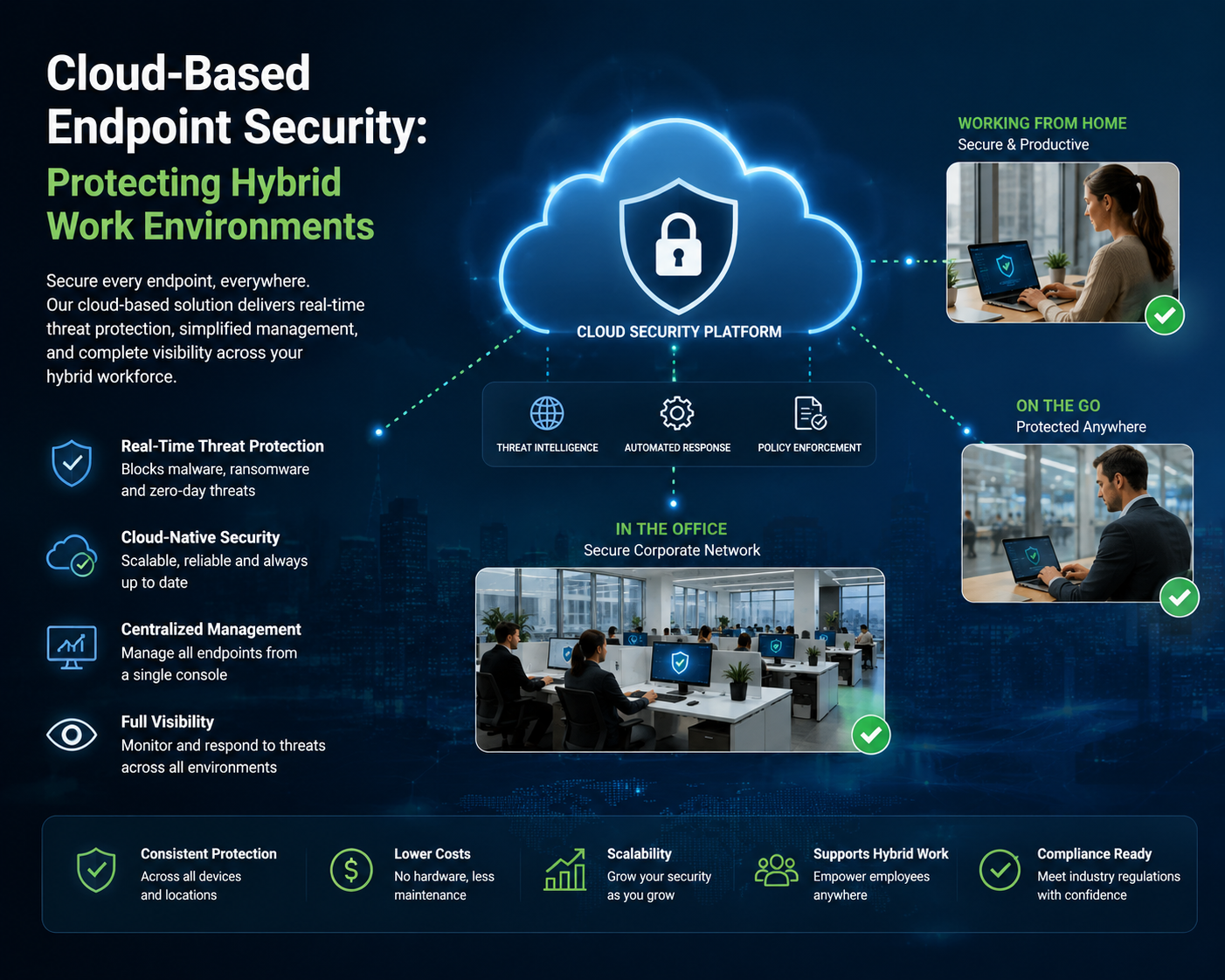
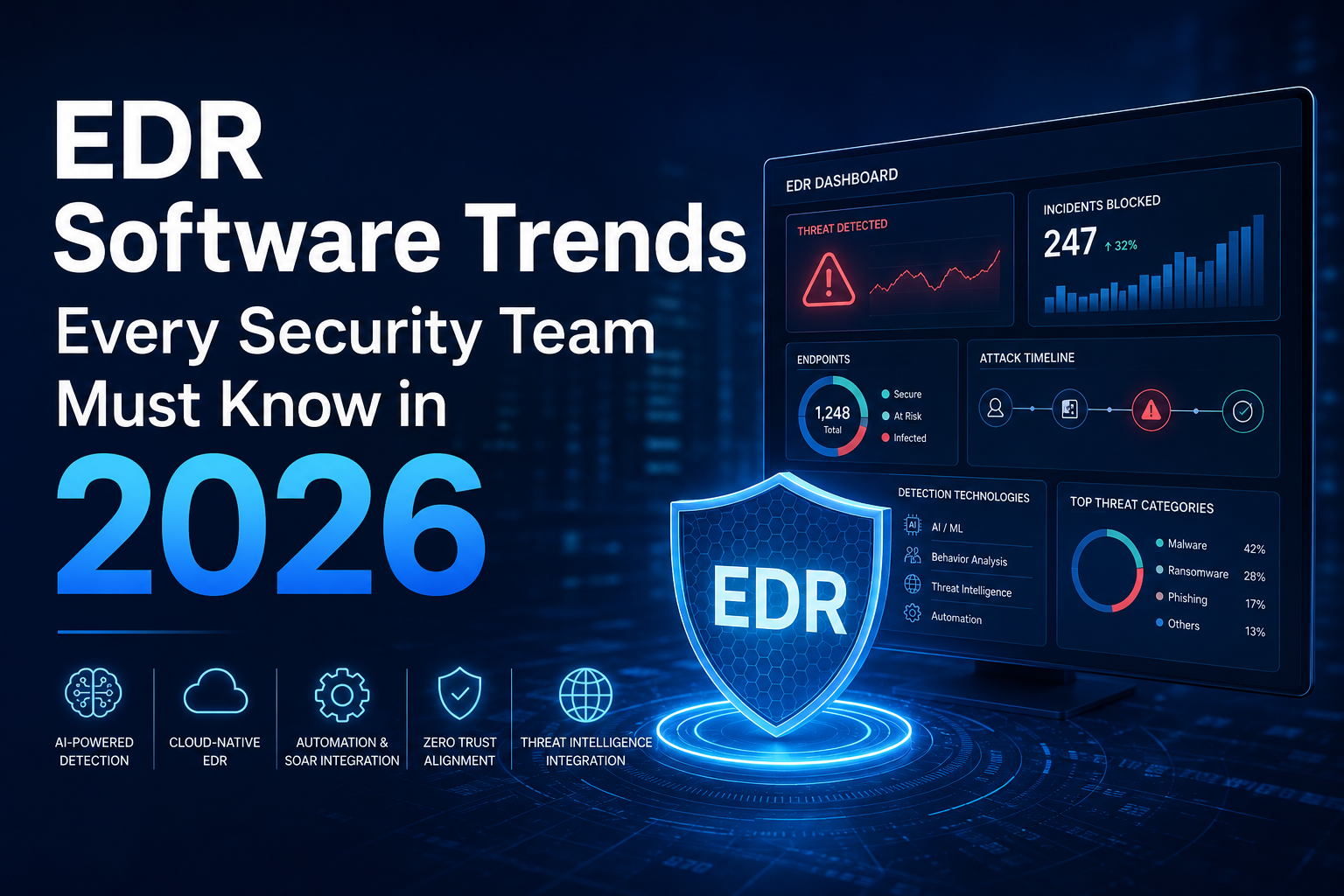
2. Safeguard endpoints and identities through Endpoint Security, EDR, and XDR
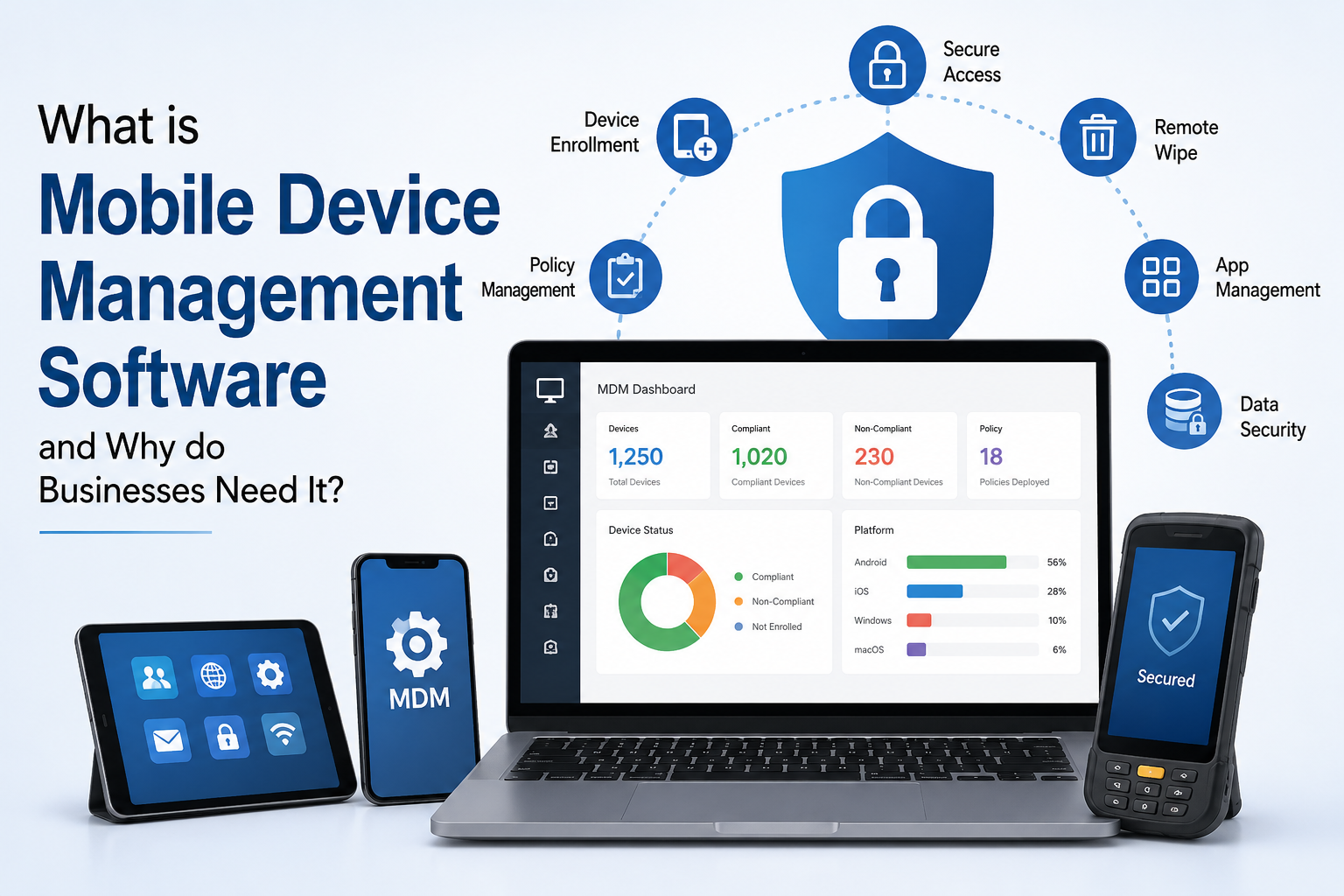
3. Enhance device governance via Enterprise Mobility Management
4. Detect and respond to threats through Managed Detection and Response (MDR) and threat intelligence from Seqrite Labs
5. Enforce data governance and privacy controls across multiple environments.
With integrated security, visibility, and compliance across layers, organisations can successfully align with the DPDP Act and reliably grow.
Conclusion — The DPDP is a Catalyst for Stronger Data Governance
The DPDP Act represents a pivotal moment in the progressive maturation of Data Privacy India. It advances the idea of privacy from simply a box to check for compliance to that of an integral priority for the ongoing success of the business. Organisations that implement proactive governance structures, modern cybersecurity controls, and transparent data practices will create a strong foundation to build trust and resilience for many years to come.
To strengthen your compliance posture and provide your organisation with a protection mechanism in line with the Data Privacy Act, please reach out to Seqrite for its full suite of end-to-end cybersecurity offerings.













Write a comment ...