
Manufacturing has entered a new era of hyper-connectivity. Smart factories, industrial IoT, remote maintenance systems, and cloud-driven operations have accelerated productivity — but they have also expanded the attack surface. Threat actors now target production floors as aggressively as they target corporate networks.
As a result, cybersecurity for manufacturing companies has become a board-level priority. With ransomware groups increasingly focused on OT environments, even a few minutes of production downtime can translate into significant financial and reputational damage. This guide outlines the common security gaps manufacturers face and the proven industrial cybersecurity practices that strengthen resilience across IT and OT ecosystems.
Common Security Gaps in Modern Manufacturing
Due to the large number of legacy systems alongside newer digital systems across the production floor, many manufacturers struggle to implement effective cybersecurity strategies. Manufacturers face several key barriers, including:
1. Legacy OT Systems with Weak Security Controls
The majority of legacy control systems based on non-modern technologies are built on top of pre-existing physical systems. The older control technology consists of devices such as PLCs, SCADA systems, and proprietary machines that lack built-in security features. This has resulted in many vulnerabilities that cannot be patched.
2. Flat Network Architectures
Many manufacturing facilities today still operate as a single, flat, unsegmented network, making it very easy for an adversary to breach the facility using a single compromised device and gain immediate access to the manufacturer's entire environment.
3. Lack of Visibility Across IT and OT
Security teams often manage IT and OT separately, resulting in blind spots that attackers exploit. Limited telemetry from OT devices worsens this gap.
4. Remote Access Exposures
With the rise of vendor maintenance portals and remote monitoring, unsecured VPNs and shared credentials create high-risk entry points.
5. Inconsistent Patch and Device Management
Distributed endpoints, ageing equipment, and 24/7 production cycles make patching difficult — leaving vulnerabilities open for long periods.
Proven Best Practices in Manufacturing Cyber Security
Forward-thinking manufacturing organisations adopt structured defence models that minimise risk without disrupting plant operations. Essential practices include:
1. Create a Zero Trust Infrastructure
Implement a Zero Trust security model that requires continuous authentication and verification for all users, devices, and applications before granting network access, thereby eliminating lateral movement within an OT network.
2. Segment Networks and Isolate Critical OT Assets
Implement micro-segmentation and the principle of least privilege to separate OT assets from production line systems, so that a cyber intrusion does not disrupt production or harm safety controllers.
3. Enhance Security for Devices and Endpoints
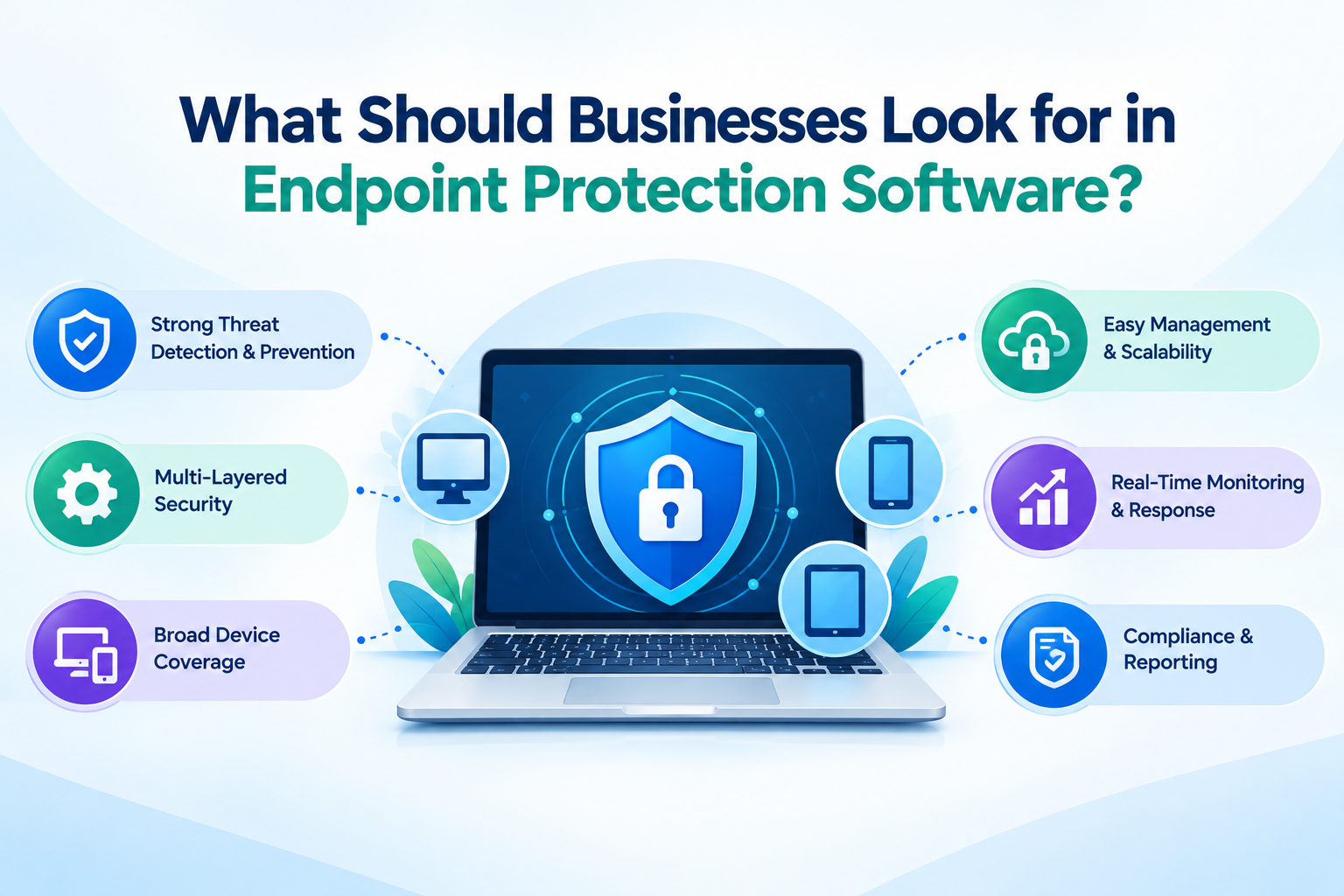
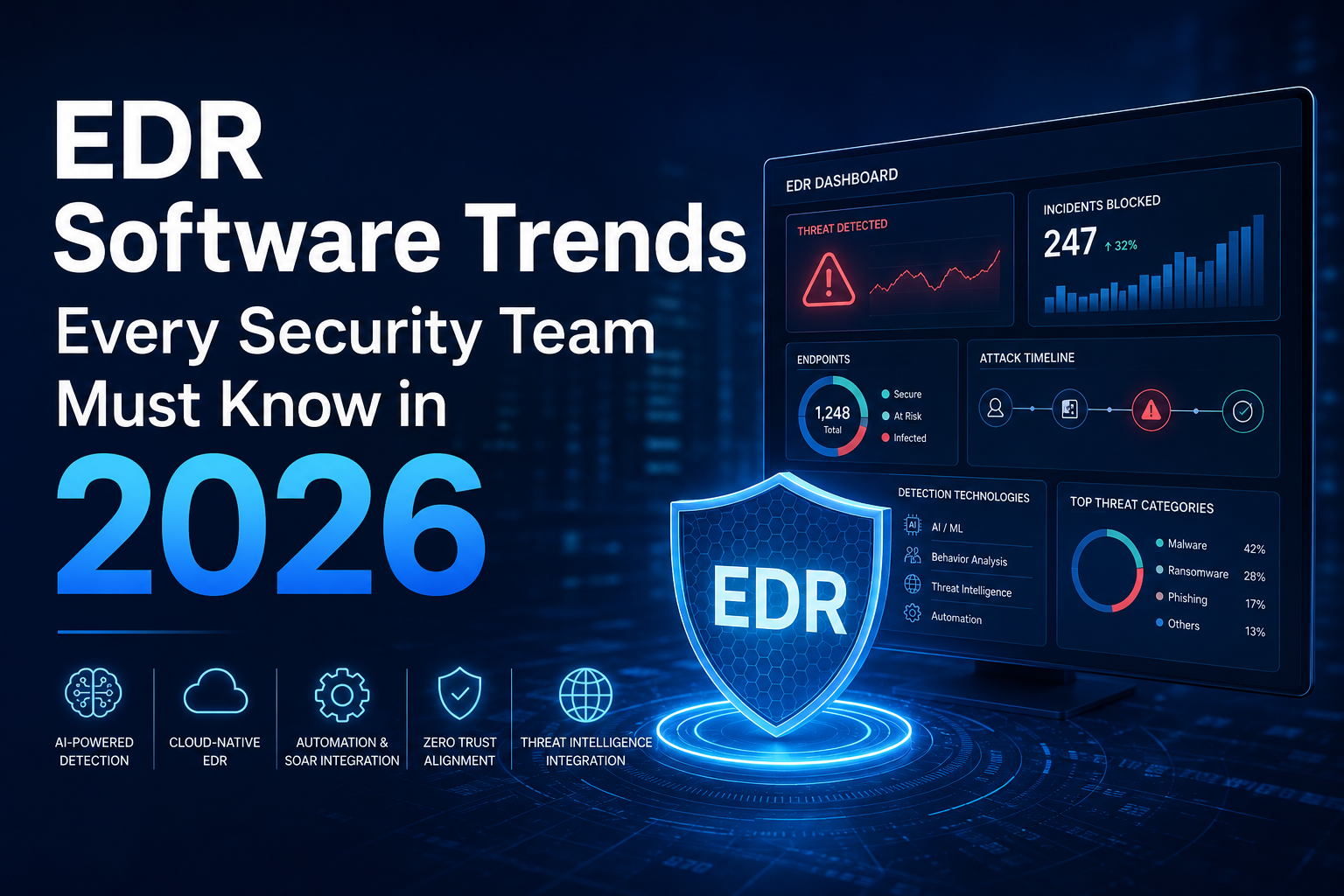
Use advanced endpoint security solutions (such as EDR/XDR) to detect threats in real time on endpoint devices, both on-premises and remotely, including malware, ransomware or anomalous behaviour.
4. Use Identity-Centric Security
Enforce multi-factor authentication, role-based access controls, and good credential hygiene for engineers, vendors, and remote access operators.
5. Establish Continuous Monitoring
Implement 24/7 (real-time) monitoring of files & alerts so teams can take proactive action before they cause operational interruptions.
Tools and Frameworks That Support Industrial Cybersecurity
Manufacturers can enhance resilience by aligning with established frameworks:
NIST Cybersecurity Framework (CSF)- A complete framework that allows organisations to identify, protect, detect, respond and recover from potential threats.
IEC 62443- The worldwide standard for securing Industrial Control Systems (ICS).
Zero Trust Architecture (ZTA) provides the foundation for least-privilege, identity-based access to OT, IT, cloud, and IIoT systems.
To implement these frameworks into an effective security posture, manufacturers will need to build a unifying cybersecurity platform using modern architecture, like
Seqrite’s enterprise-grade solutions support these frameworks through:
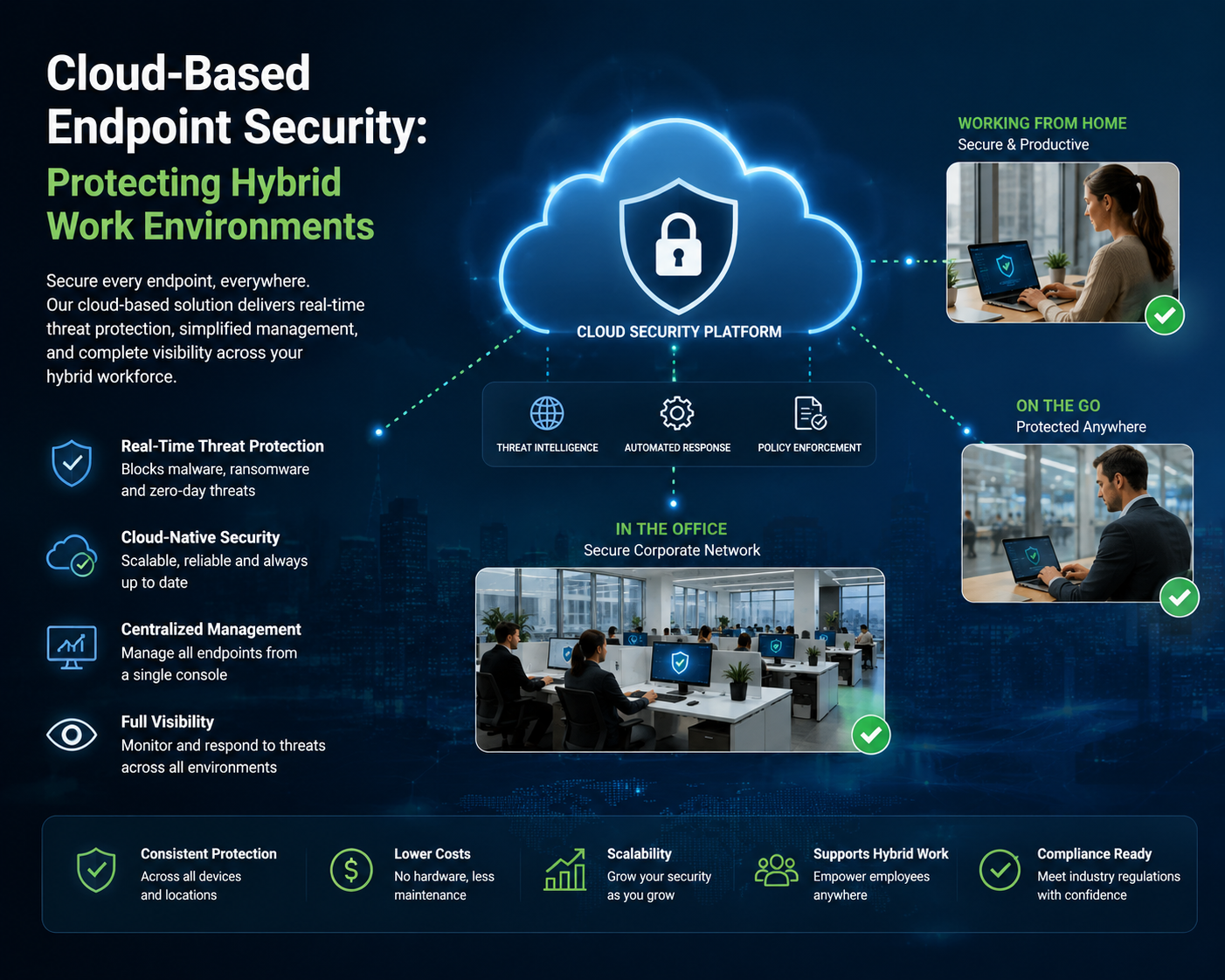
Endpoint Protection and EDR/XDR
Zero Trust Network Access (ZTNA)
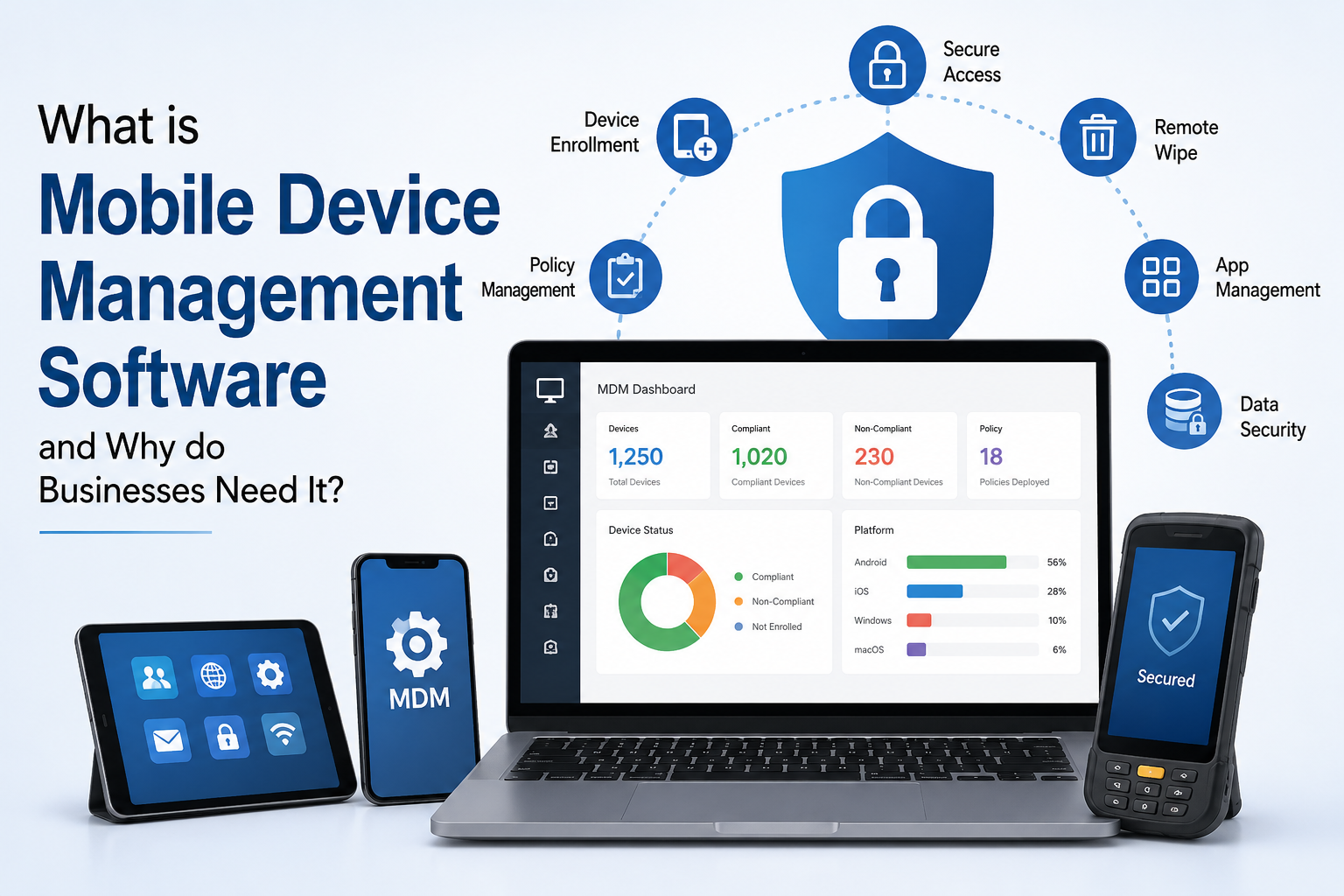
Enterprise Mobility Management
Data Privacy and Data Protection
Managed Detection and Response (MDR)
Threat Intelligence from Seqrite Labs
These AI/ML-powered controls allow factories to secure distributed environments without slowing production.
A Practical Execution Plan for Manufacturing Security Teams
Follow this step-by-step roadmap to strengthen your manufacturing cybersecurity posture:
Assess current security maturity across IT and OT assets.
Map vulnerabilities and classify risks based on potential operational impact.
Deploy Zero Trust controls for identity, devices, and remote access.
Implement EDR/XDR and 24/7 threat monitoring for real-time visibility.
Segment networks and isolate high-value operational assets.
Automate patching and device management wherever possible.
Train employees and operators to recognise cyber risks and incidents.
Continuously review and optimise based on threat intelligence and new vulnerabilities.
Conclusion: Secure Manufacturing is Smart Manufacturing
Modern factories cannot rely on perimeter-based defences or legacy systems. They need integrated, AI-driven security that protects operations end-to-end. By adopting Zero Trust, strengthening endpoint security, and aligning with proven frameworks, manufacturers build resilience against ransomware, insider threats, and supply-chain attacks.
Seqrite helps manufacturing organisations accelerate this journey with a unified cybersecurity portfolio designed for high-risk, high-availability environments.
Ready to secure your factory floor and production systems?
















Write a comment ...