
Seqrite has observed a dramatic rise in cyberattacks targeting banks, NBFCs, insurance providers, and fintech companies. As digital transactions surge and cloud-first architectures mature, financial institutions face unprecedented risks.
Strengthening financial services cybersecurity has become a strategic prioritynot just a compliance requirement. The sector handles high-value assets, sensitive identities, and mission-critical systems. Cybercriminals know this. That is why they continually evolve their tactics and exploit even the smallest gaps across endpoints, networks, and user access.
This blog explores the rising threat landscape in the BFSI sector, the essential cybersecurity frameworks for financial services, and the steps banks can take to build a breach-resilient security posture.
The New Reality of Financial Services Cybersecurity
Financial institutions sit at the intersection of money, trust, and national economic stability. Attackers now use AI-driven malware, deepfakes, and multistage intrusion campaigns to exploit this dependency.
New trends in the financial services cybersecurity sector are:
Ransomware campaigns are increasingly targeting core banking systems
Payments, treasury, and SWIFT systems are being targeted with sophisticated phishing techniques
Weak authentication is leading to identity-based attacks
Cloud misconfigurations are resulting in exposed transactional data
API attacks are targeting mobile banking and fintech
The rapid, large-scale digital transformation across India and the United States has created many opportunities and increased risks related to digital payment services.
Rising Cyber Threats in Banking and Fintech
Banks and fintechs face a mix of legacy security gaps and modern cloud-native risks. Attackers exploit vulnerabilities across multiple layers.
1. Exploiting Endpoints and Networks
Malware, ransomware, and credential-harvesting attacks typically penetrate unmanaged devices or outdated systems at endpoints, which are often the initial locations compromised. Once inside an organisation, lateral movement presents a risk to core banking servers and databases.
2. Fraud Induced by Payment Method or Social Engineering
Artificial intelligence (AI) has enabled fraudsters to create realistic phishing emails or deepfake voices. Targeted manipulation of payment system operators (call centres or customer service representatives) is rampant.
3. Cloud and API Vulnerabilities
Fintech apps rely on APIs that interact with banks, regulators, and third-party platforms. Poorly protected APIs become gateways for data theft, account takeover, or transaction tampering.
4. Insider Threats
Privileged access misuse—both intentional and accidental—remains one of the most damaging risks in BFSI. Hybrid work environments magnify this challenge.
5. Advanced Persistent Threats (APTs)
State-sponsored groups often target financial networks to disrupt services, steal intelligence, or weaken national economic stability.
Security Frameworks and Compliance Strategies for BFSI
Banks and NBFCs must adopt a layered and standards-driven approach to cybersecurity for financial services.
The following frameworks should inform your security investments to help your organisation demonstrate regulatory maturity and improve resilience.
Cybersecurity mesh architecture (CSMA) is a framework for managing security controls across multiple hybrid cloud environments, whether on-premises or in the cloud.
Zero Trust network access (ZTNA): This controls access to resources using identity-driven, least-privilege access controls.
NIST Cybersecurity Framework: This provides risk management guidelines.
ISO/IEC 27001: This establishes an organisation’s governance over information security.
Compliance Considerations
The following are legal compliance requirements related to your security investments.
RBI cybersecurity guidelines: Apply to digital payments, internet banking, and third-party risk management.
GLBA: Applies to US-based financial institutions.
PCI DSS: If you handle cardholder data.
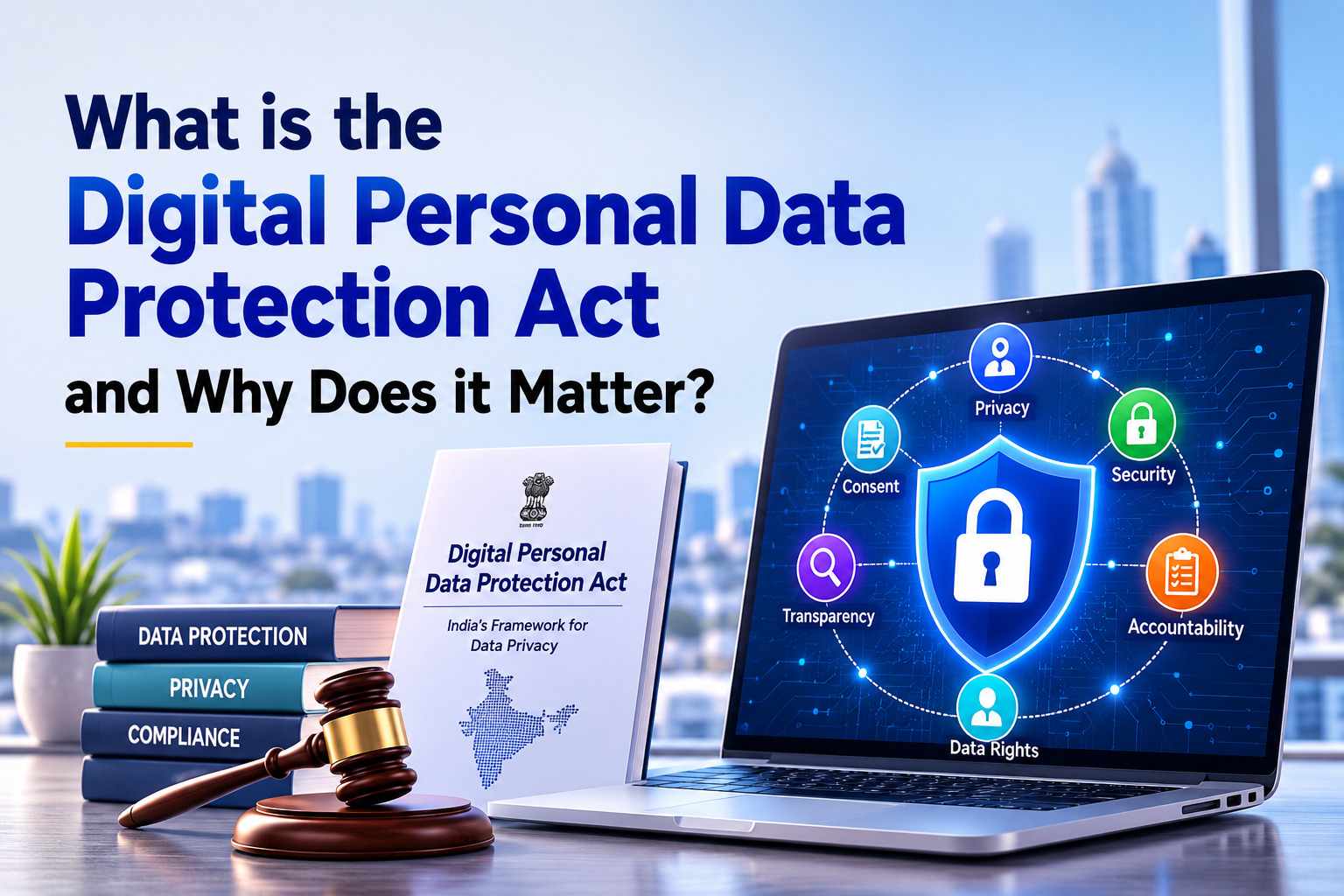
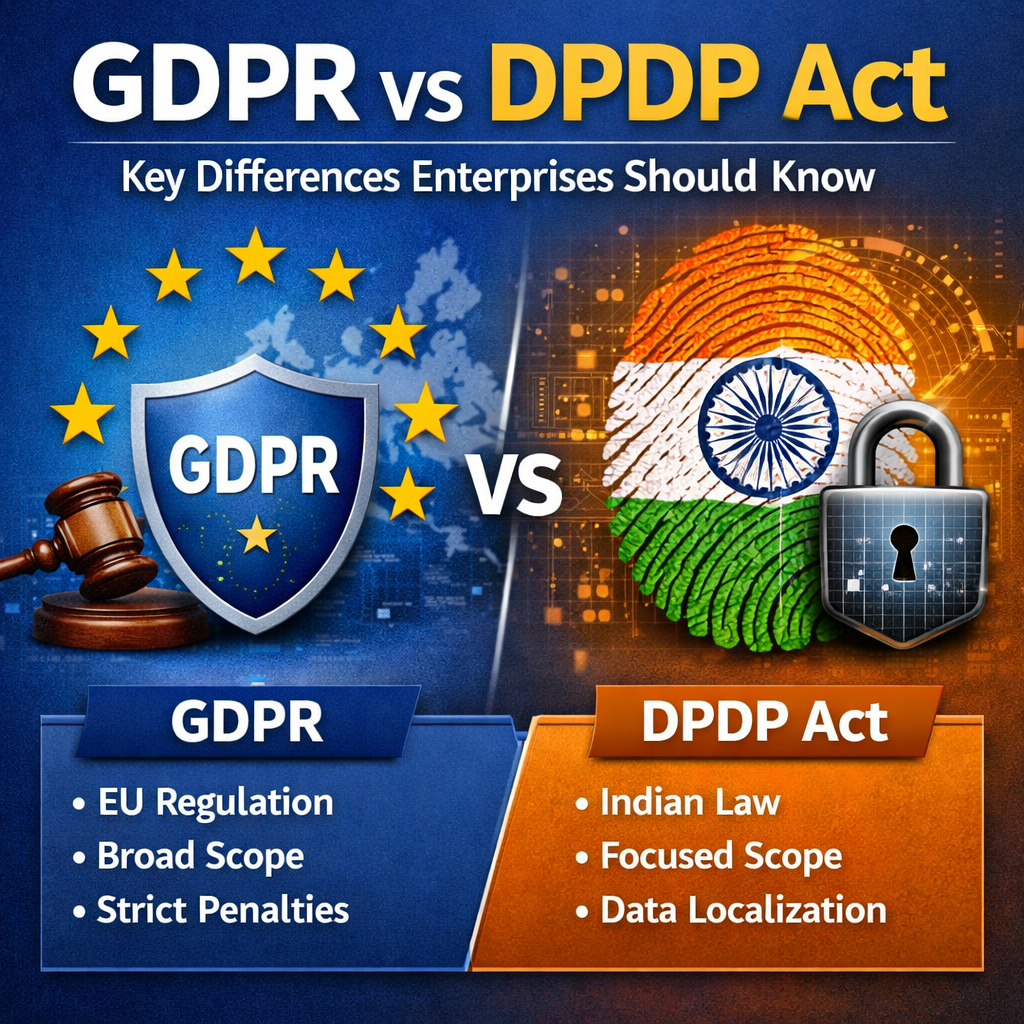
DPDP Act: Applies in India; GDPR applies globally.
Future-Ready Cybersecurity Best Practices for Banks
The BFSI sector needs to implement proactive, intelligence-driven defences to protect its digital banking and fintech ecosystems from becoming targets of modern-day cybercriminals.
1. Improve Endpoint and Detection Capabilities
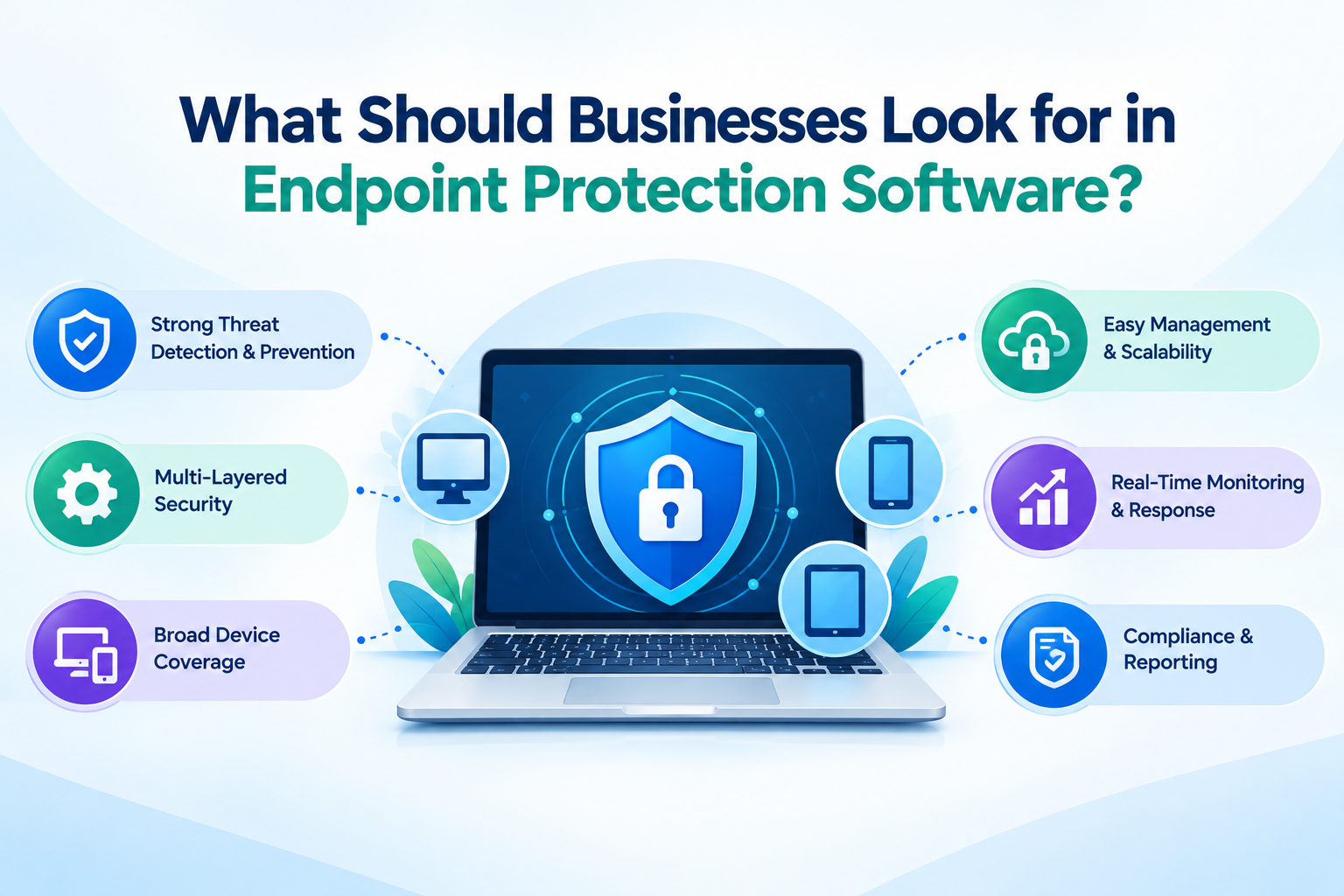
Deploy advanced AI/ML-based endpoint protection and EDR/XDR solutions, as they give real-time visibility into an attack and provide rapid investigation capabilities along with a means to quickly remediate the issue once it's identified.
2. Implement Identity-First Security
Adopt multi-factor authentication, user behaviour analytics, and continuous risk assessment for all user types (employees, partners, third-party suppliers).
3. Upgrade to Zero Trust Network Access Models
Update your legacy VPN models (if you still have them) to use more granular, context-aware ZTNA models. This will help you eliminate lateral movement and adjust access privileges for high-value systems.
4. Implement 24/7 Managed Detection and Response Capability
Having a managed detection and response capability is essential to protecting the BFSI sector from downtime caused by cyberattacks, leveraging human expertise and advanced analytics to detect and respond to attacks.
5. Protect Data Security and Privacy
Encrypting sensitive customer financial and personal data with Digital Loss Prevention (DLP) will help you secure this information.
5. Leverage Threat Intelligence
Anticipate and prevent evolving cyber threats in the banking, financial services and insurance (BFSI) industry by leveraging proactive threat intelligence solutions such as Seqrite Labs.
Conclusion: Adopt a Robust Security Posture with Agility
As the BFSI industry continues to transform into a digital economy, cyber risk is becoming increasingly complex. To protect your customers and maintain business continuity, Banks and Fintechs need to implement automated tools, data-driven business intelligence platforms, and zero-trust architecture.
Quick Heal Technologies Limited and Seqrite empower financial institutions with endpoint protection, XDR, ZTNA, data privacy, and MDR solutions built on Cybersecurity Mesh Architecture.





Write a comment ...