
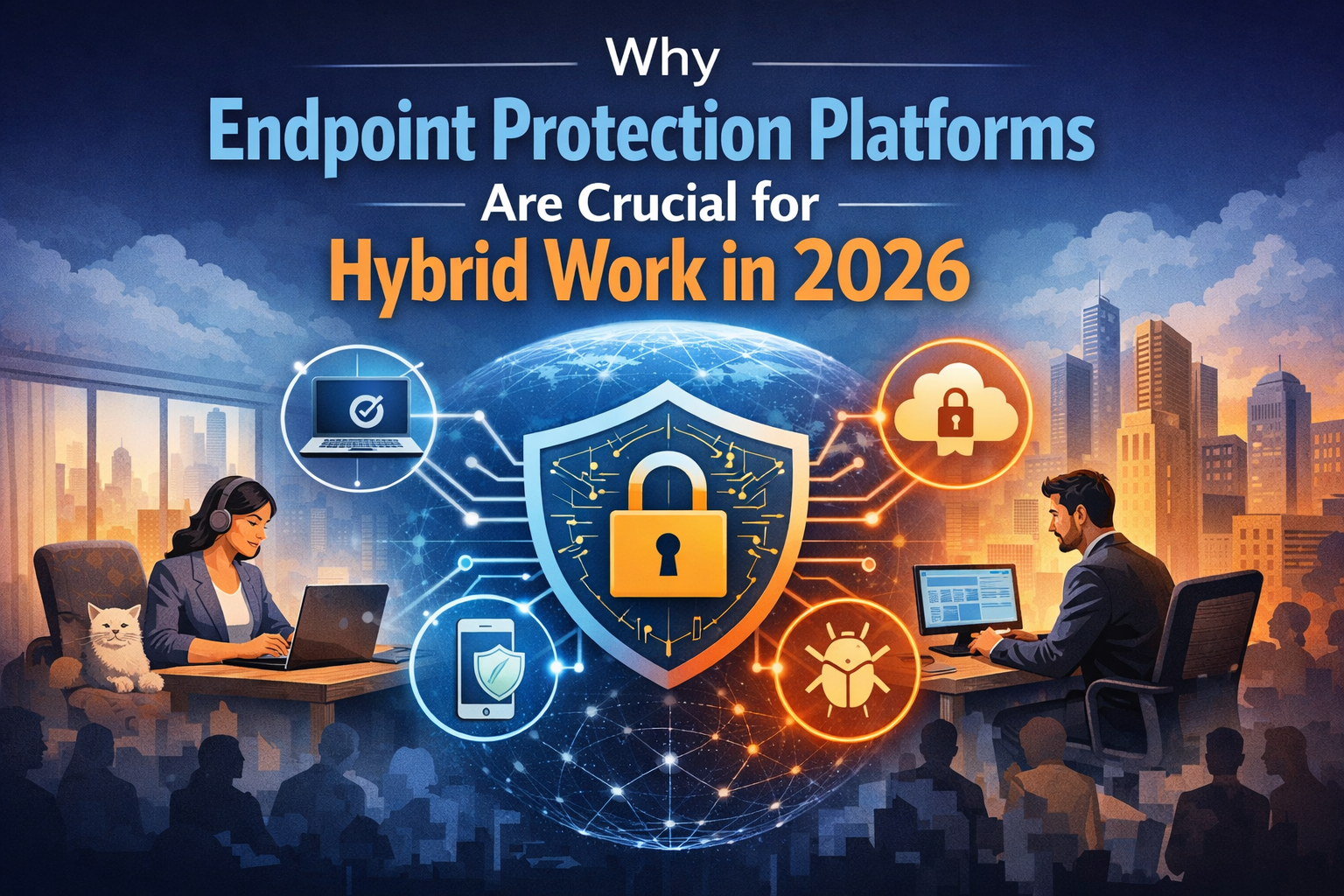
Remote and hybrid work models have transformed how modern enterprises operate. While these models deliver agility and business continuity, they also expand the attack surface to unprecedented levels. As devices move beyond traditional corporate perimeters, enterprise endpoint security becomes the first and most targeted line of defence. For organisations in India and the United States, securing endpoints is now a business-critical priority—not an optional investment.
For over a decade, Seqrite, backed by Quick Heal Technologies Limited's deep threat intelligence capabilities, has helped enterprises stay ahead of evolving cyber risks. In today’s distributed workforce era, the stakes have never been higher.
The Rise of Distributed Endpoints
With employees working from home, co-working spaces, client locations, and while travelling, enterprises now manage thousands of distributed endpoints:
Laptops and desktops
Mobile devices and tablets
Cloud-connected workloads
IoT and smart office devices
Branch office systems
These endpoints frequently connect to unsecured networks and personal devices, making them easy entry points for attackers. As the number of geographically dispersed devices grows, so does the complexity of protecting them.
Why Distributed Endpoints Create Higher Cyber Risks
Attackers exploit gaps created by decentralised environments. The most common risks include:
1. Unsecured Home Networks
Home routers can be made insecure by using weak passwords or unpatched firmware. This gives attackers an easy way into a corporate device network.
2. Lost or Stolen Devices
Hybrid workforce employees carry devices outside controlled premises, increasing the likelihood of theft or physical compromise.
3. Shadow It & Unapproved Apps
Employees often use personal devices or install software that their employer did not authorise, thereby increasing the overall attack surface for the organisation.
4. Advanced Malware and Ransomware
Advanced threats utilise artificial intelligence, fileless attacks, polymorphic malware and zero-day exploits that antivirus solutions cannot defend against effectively.
5. Lateral Movement Across Connected Systems
Once an attacker has compromised an endpoint on a network, they have many options for traversing a network to obtain access to critical applications and data.
Enterprises need endpoint security solutions that detect, respond to, and contain threats at machine speed—regardless of where devices operate.
What a Modern Endpoint Security Approach Looks Like
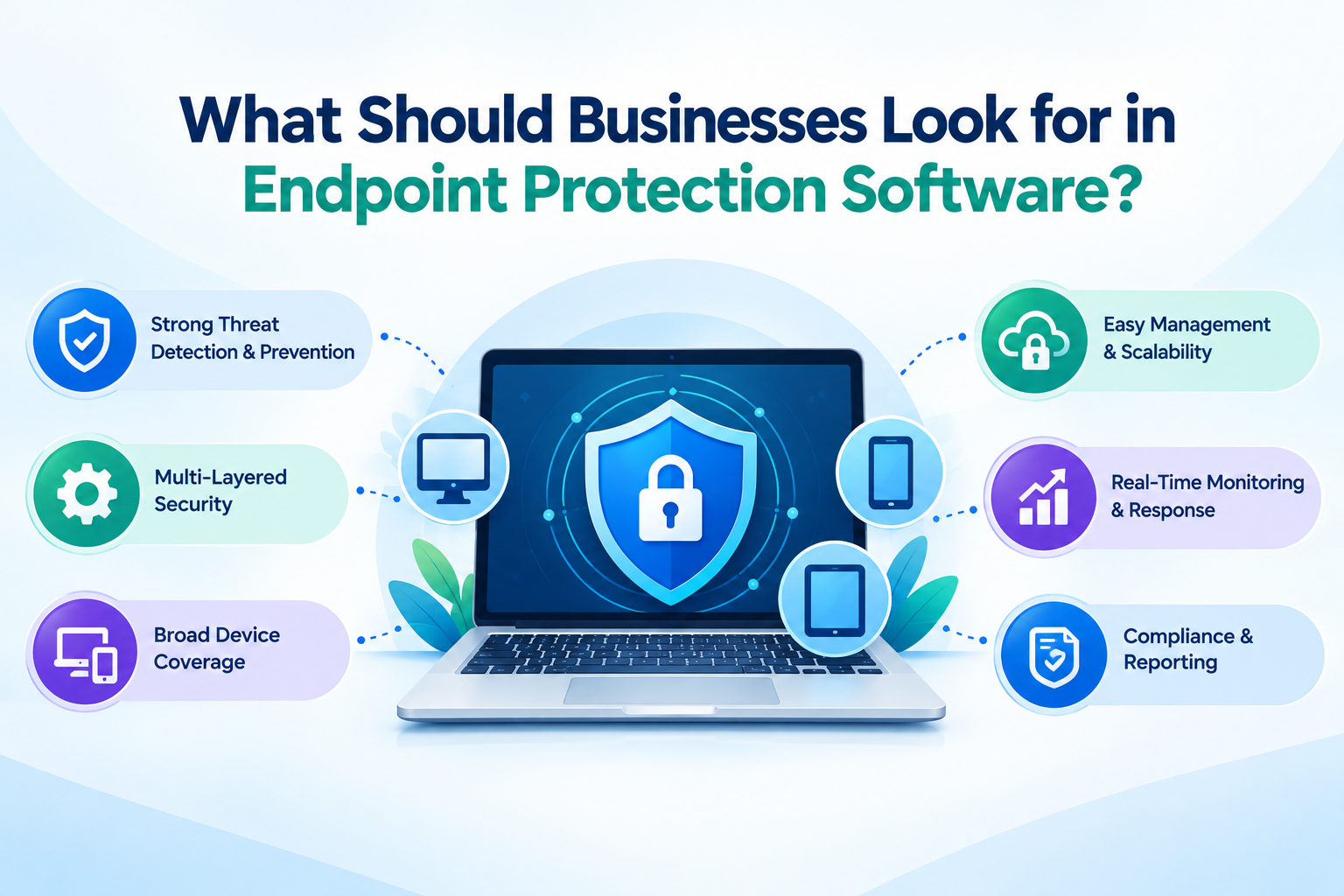
Today’s distributed environments require a proactive, intelligence-led, multilayered security model. Modern enterprise endpoint security must deliver:
1. AI/ML-Based Threat Detection
Machine learning identifies anomalies, suspicious behaviours, and emerging threat patterns in real time.
2. Zero Trust Principles
Every device, user, and application must continuously verify identity and posture before accessing corporate resources.
3. Unified Visibility Across All Endpoints
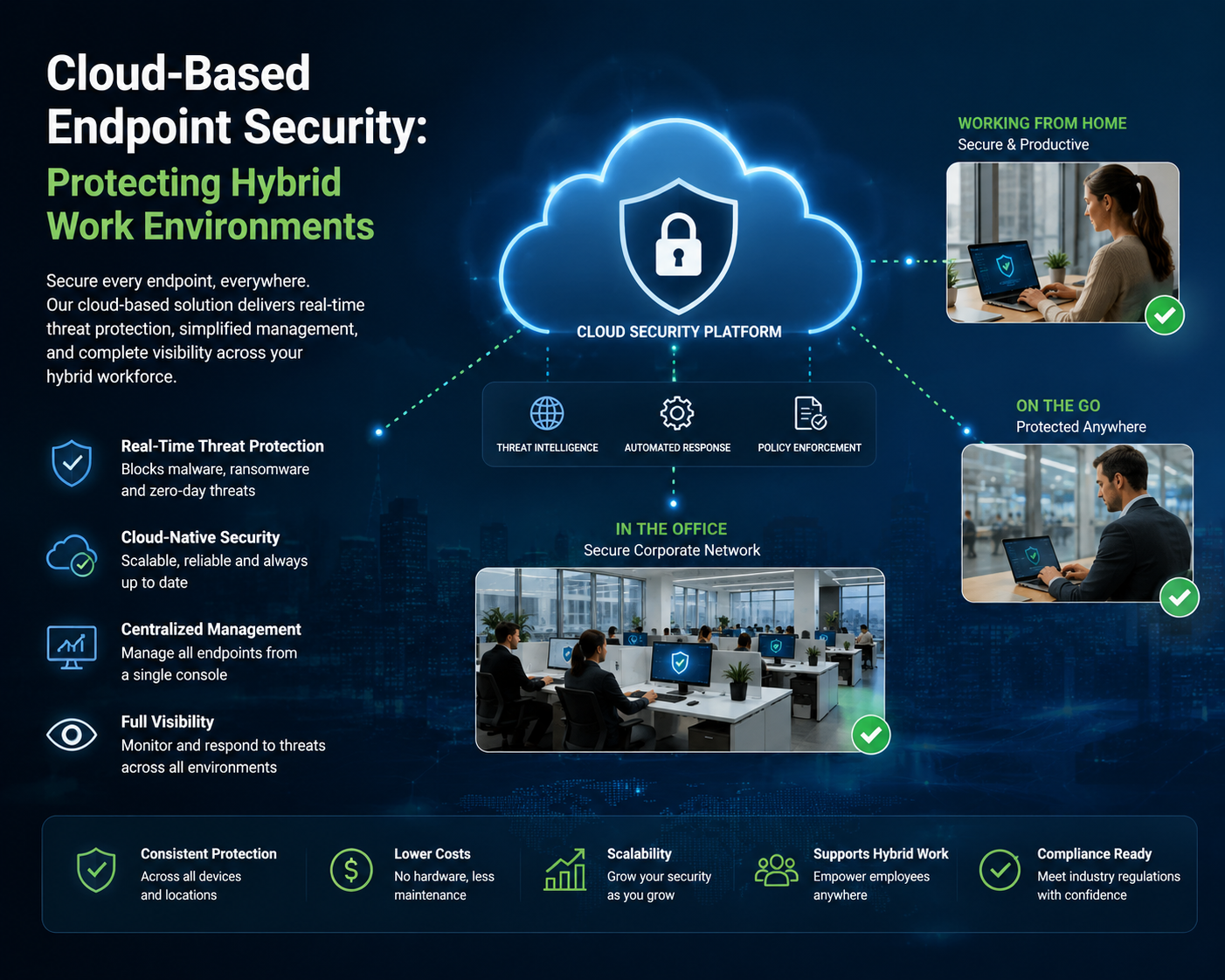
Security teams need a single dashboard that provides centralised monitoring, configuration, and policy enforcement across remote locations.
4. EDR and XDR Capabilities
Endpoint Detection and Response (EDR) and Extended Detection and Response (XDR) gather telemetry, detect attacks early, and automate containment.
5. Cloud-Delivered Protection
Cloud-based controls ensure that even off-network endpoints remain fully protected and compliant.
Key Endpoint Protection Strategies for Remote and Hybrid Work
Enterprises can enhance their security posture by using these approaches:
1. Implement and Enforce Strong Controls for Devices and Identities
-Integrating Multi-factor authentication
-Conducting health checks on devices
-Applying role-based access policies
2. Implement Advanced Endpoint Security Solutions
Look for features like sandboxing, exploit prevention, behavioural analysis, and ransomware rollback.
3. Implement A Zero Trust Network Access (ZTNA)
Replace VPNs with granular, identity-based, least-privilege access.
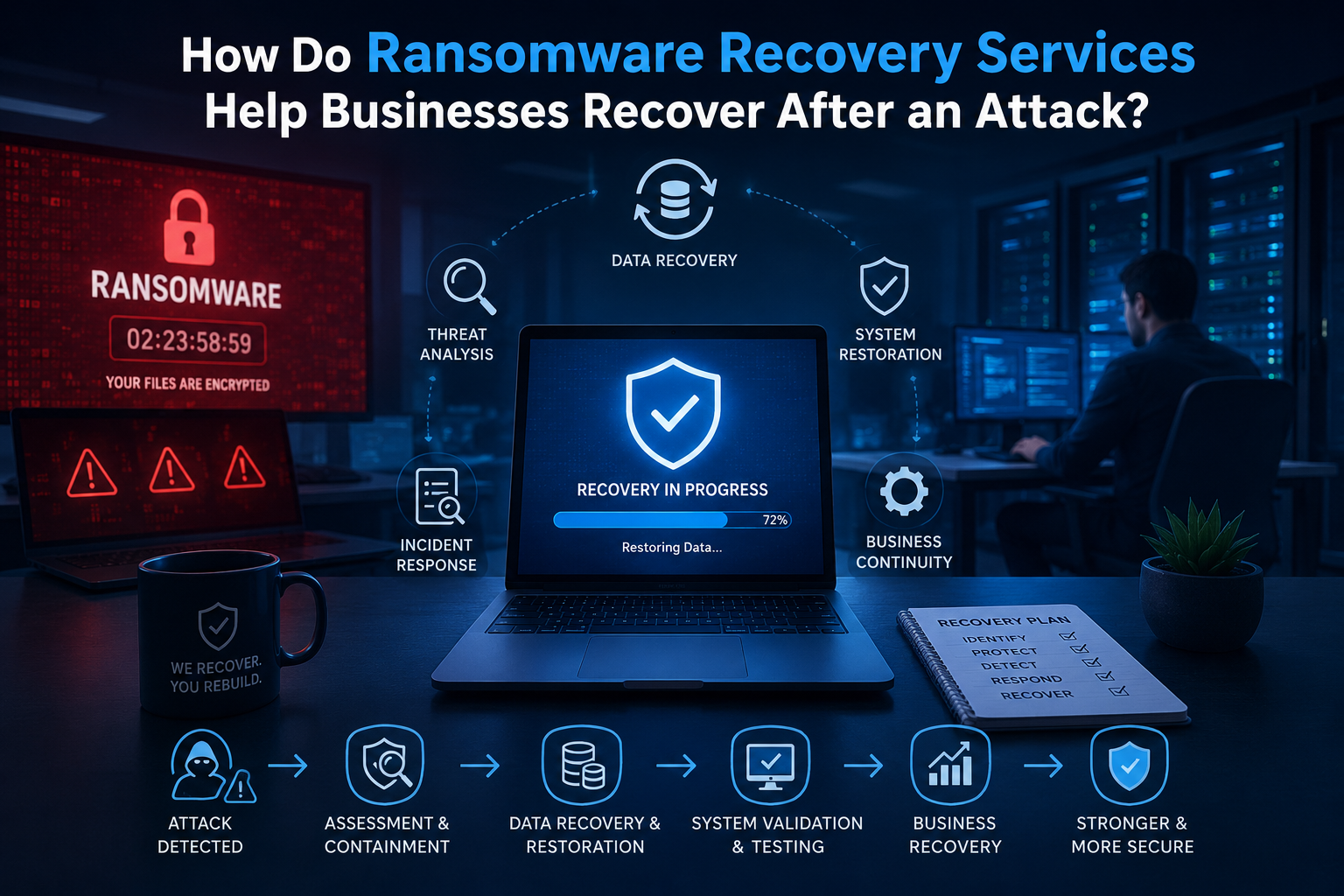
4. Automate Incident Detection and Response
Automated threat isolation, threat hunting, and remediation reduce the time threats dwell in your environment and limit the damage they can cause.
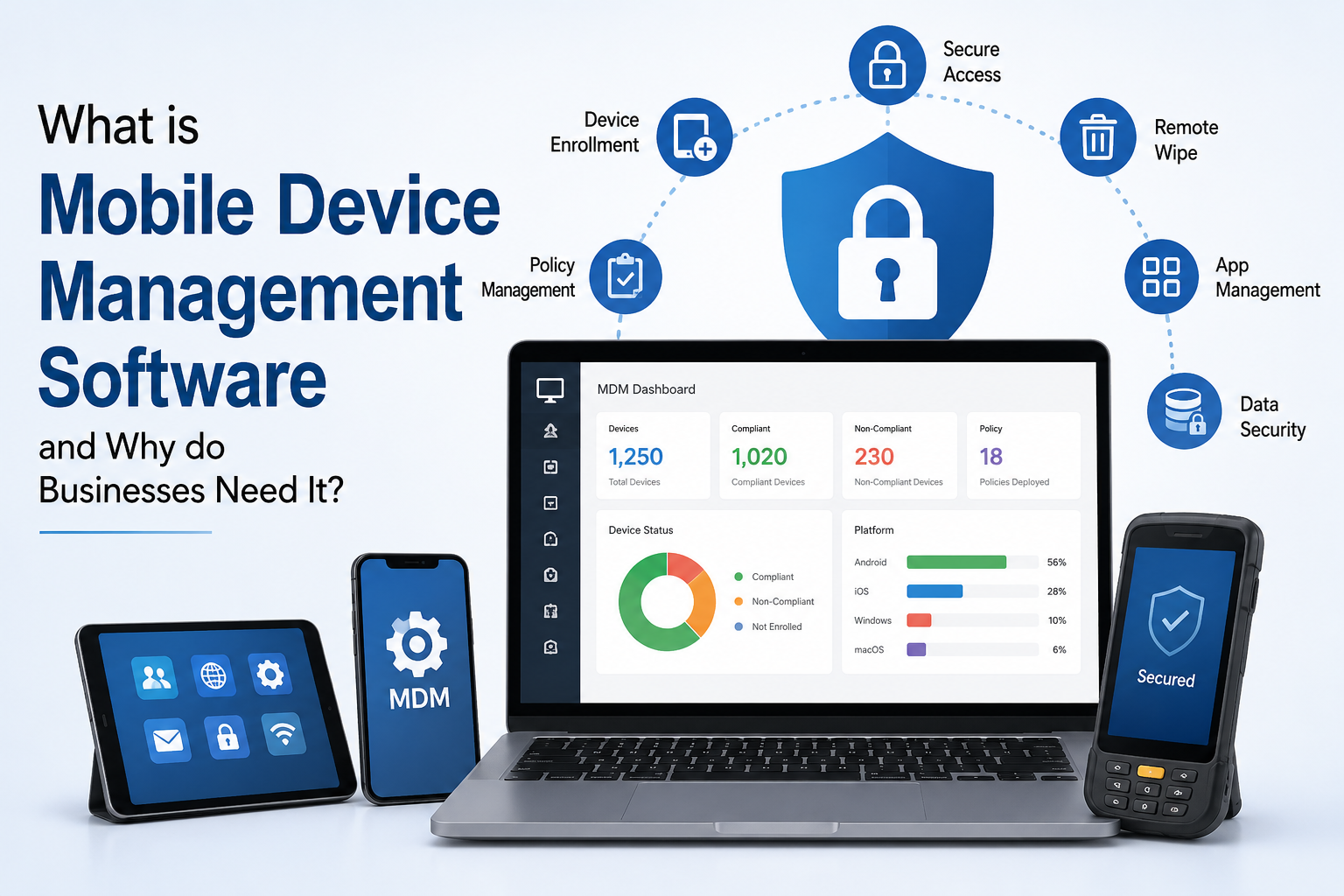
5. Protect Mobile Devices and SaaS Applications
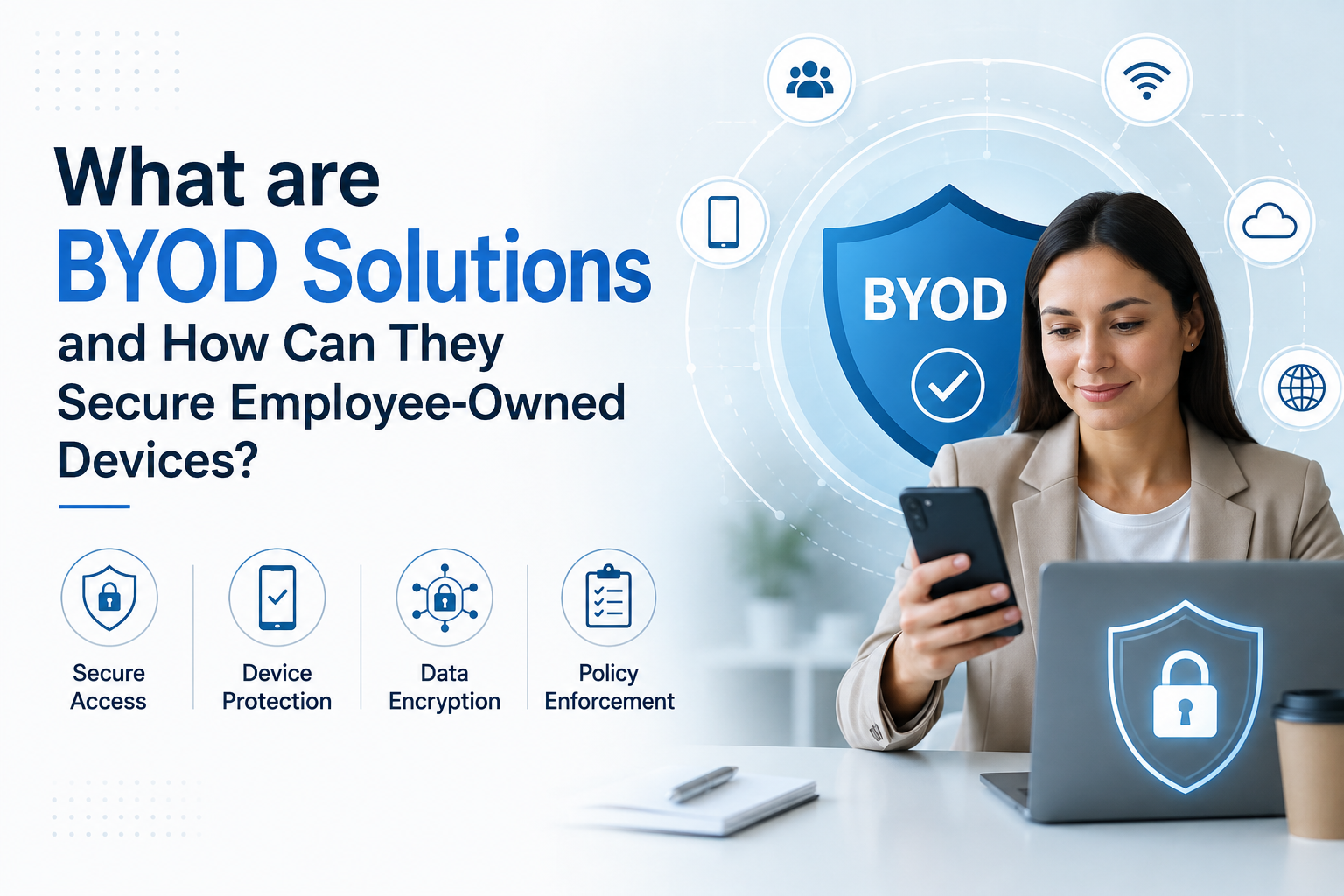
Enterprise Mobility Management (EMM) and cloud access controls help protect data for any type of Bring Your Own Device (BYOD) and from a remote-first perspective.
6. Use Threat Intelligence to Stay Ahead
Seqrite Labs–powered intelligence enables early detection of new malware strains and targeted attacks.
Conclusion: Endpoint Security Is Now a Business Imperative
The age of remote and hybrid work has permanently changed the security landscape. Enterprises must protect distributed devices with advanced, AI-driven, and centrally managed endpoint security solutions. Applying a proper approach enables an organisation to lower the level of risk, meet its compliance obligations, and maintain productivity levels without any disruption when employees are working remotely.
For unifying the protection of your workforce by using intelligence-driven security solutions, discover how Seqrite can enhance your organisation’s security posture.
Ready to modernise your endpoint security? Contact Seqrite’s experts today.





Write a comment ...