
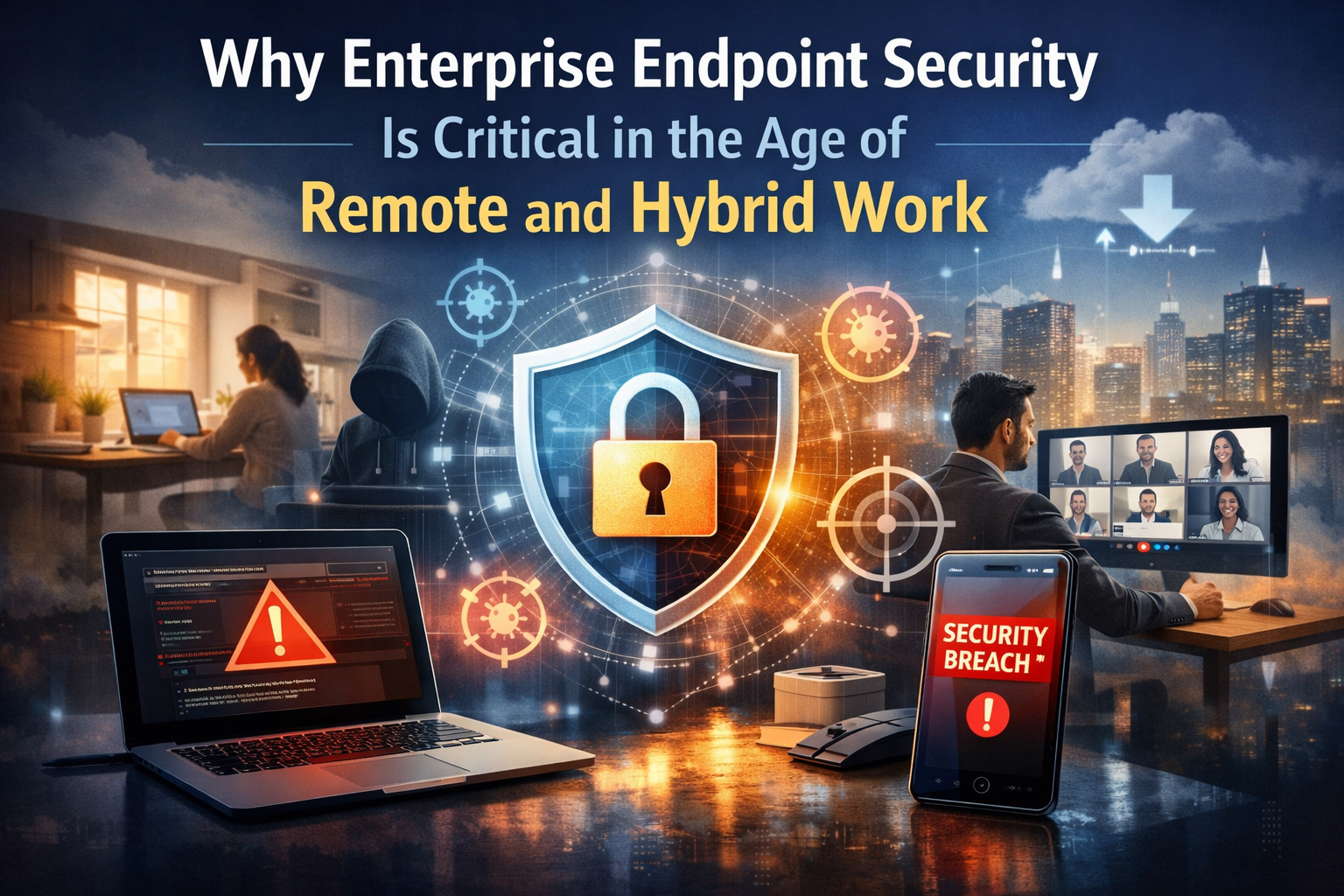
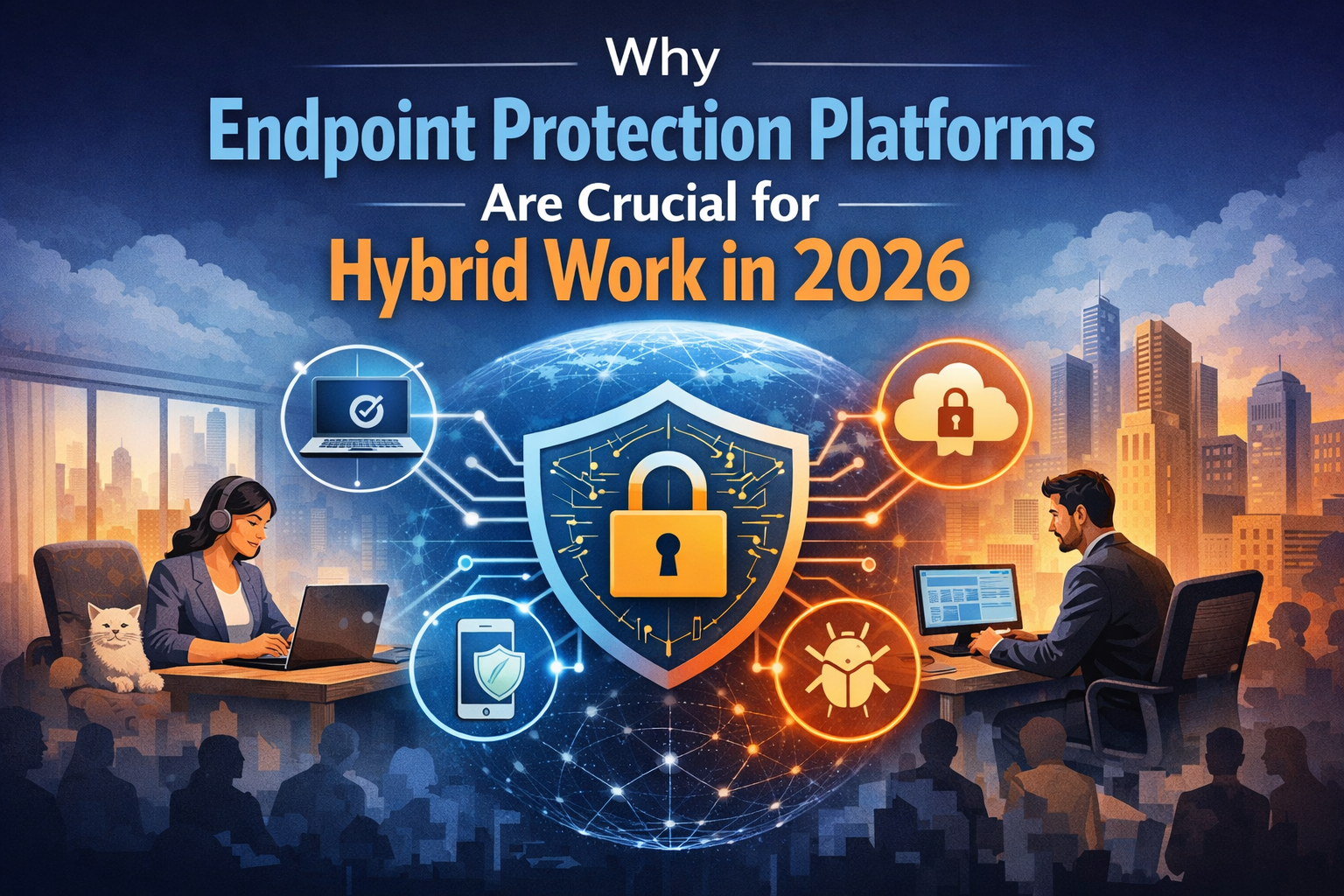
Hybrid work has become the default operating model for enterprises across India and the US. While it improves agility and talent reach, it also expands the organisation’s attack surface. Employees now access corporate data from diverse devices, networks, and locations — creating new entry points for cyber-attacks. In this landscape, endpoint protection evolves from a traditional antivirus capability into a strategic business imperative.
With an evolving landscape of targeted users and increasingly sophisticated cybercriminal techniques, businesses need to adopt new endpoint protection measures that provide real-time, intelligence-driven defences.
The Evolution of Endpoint Protection
Previously, endpoint security primarily involved using signature-based antivirus applications to detect known malware threats. While effective at identifying existing threats, traditional methods cannot defend against zero-day vulnerabilities, targeted attacks, or advanced, continuous threats.
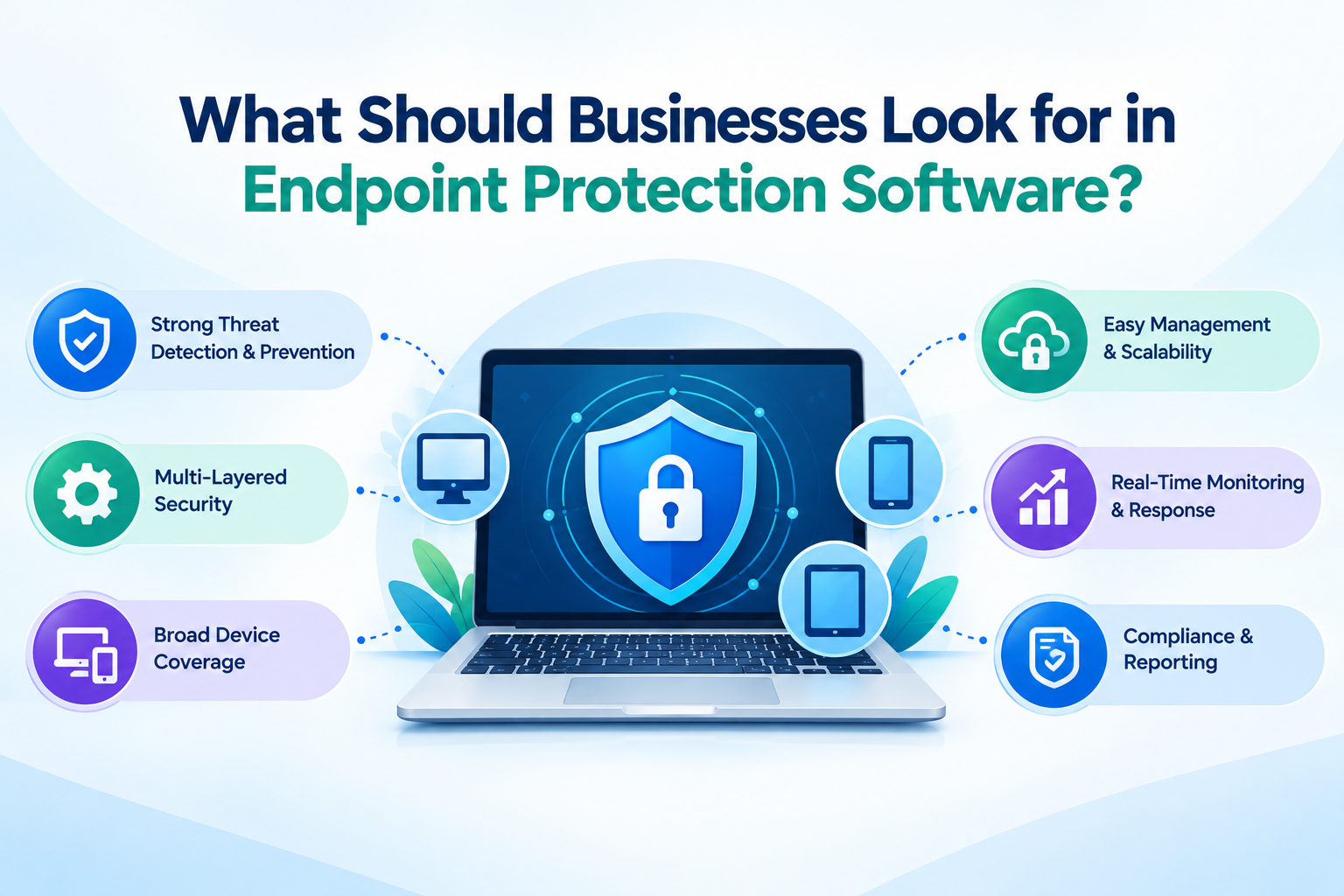
Today’s endpoint protection software integrates:
- Threat detection leveraging artificial intelligence and machine learning (AI/ML)
- Behavioural analysis
- Device control and application control
- Protection from ransomware
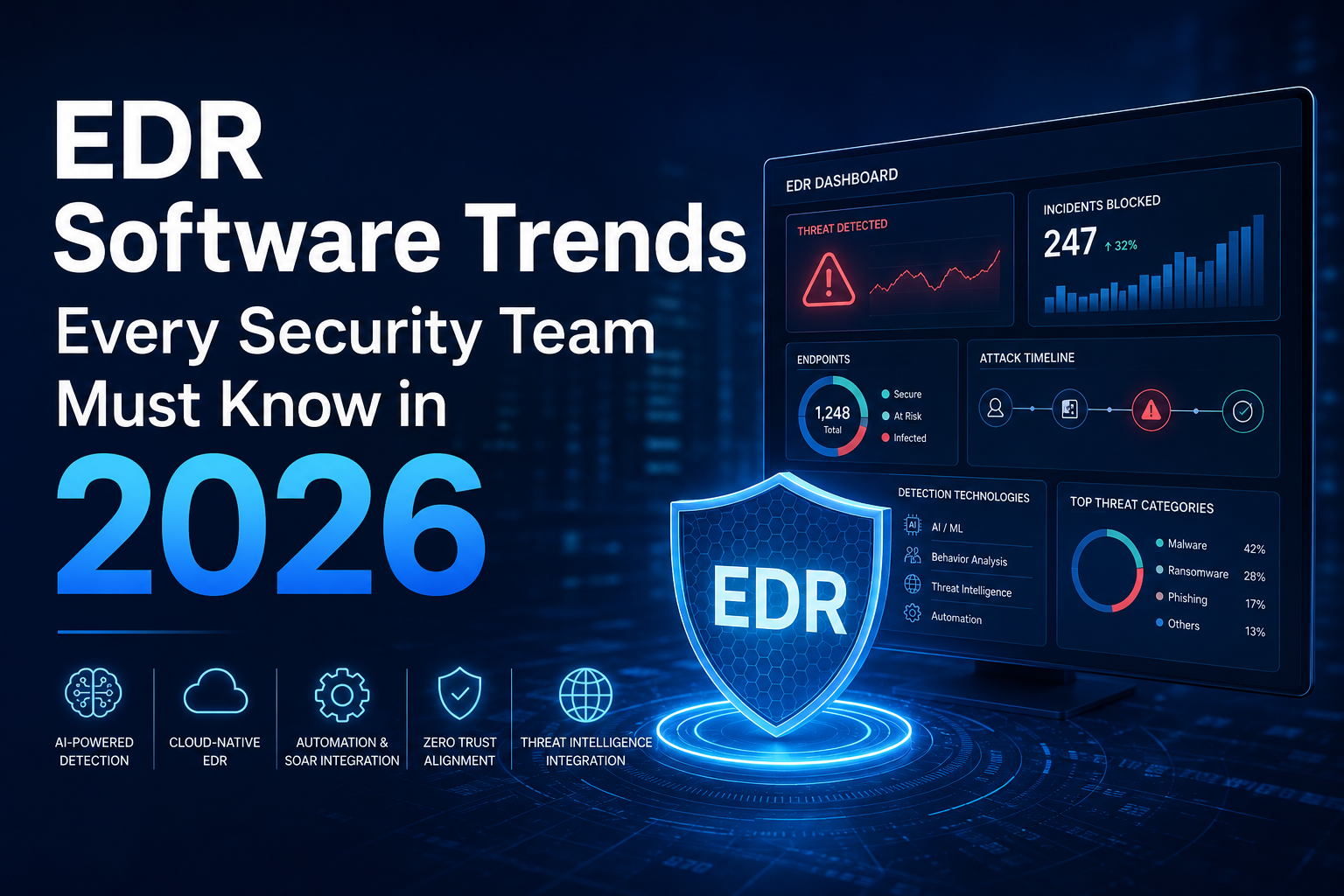
- Endpoint detection and response (EDR) and extended detection and response (XDR) for broader visibility
- Protection from mobile threats
- Zero Trust verification
- Automated response
Transitioning to this type of endpoint security solution enables organisations to implement proactive defence mechanisms rather than traditional reactive methods, which is essential in hybrid environments where IT teams frequently have inadequate visibility.
Threats Targeting Remote and Hybrid Workforces
The hybrid workforce has made it much easier for cybercriminals to exploit security gaps. This is why your hybrid work security strategies need to focus on securing endpoints, remote employees, and the network.
Several types of cyber threats are prevalent in hybrid environments.
1. Phishing and Credential Theft - Employees working remotely access their corporate resources through cloud applications or email. Phishing attacks targeting remote workers provide cybercriminals with the means to gain network access via compromised credentials, enabling them to move laterally through the organisation's network.
2. Ransomware and File-less Malware - Ransomware groups specifically target endpoints that are connected to unsecured home networks, and modern file-less attacks will bypass conventional antivirus detection methods, requiring behaviour-based protection.
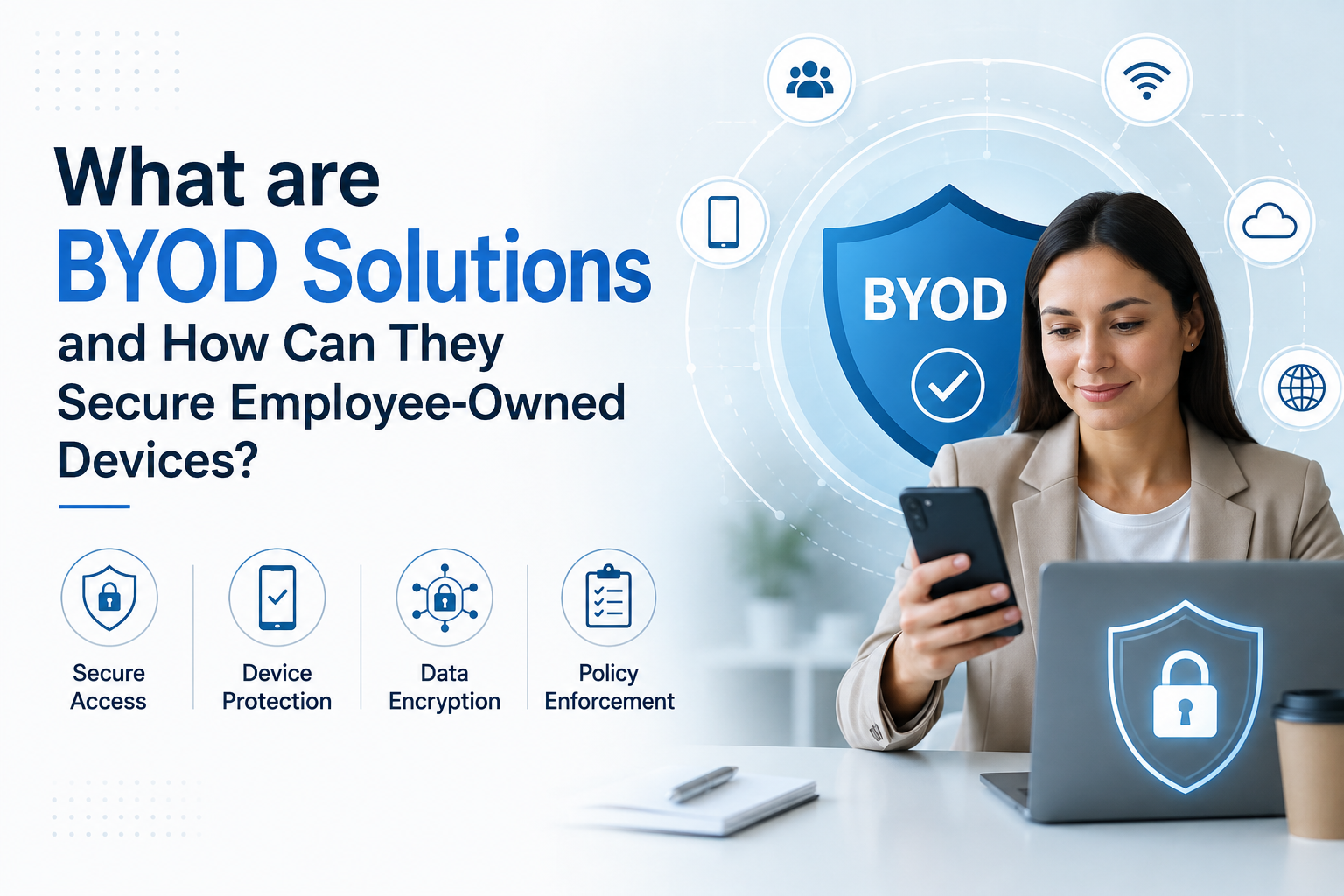
3. Unmanaged Devices and BYOD - Personal devices usually do not have the same level of enterprise-grade control as the devices provided by the employer. When a personal device connects to corporate resources, the risk increases because the operating system is often unpatched, applications are often outdated, and device configurations are often insecure.
4. Vulnerabilities - Hybrid endpoints are not routinely patched. Criminals look for vulnerabilities, such as outdated applications, VPN weaknesses, and misconfigured devices, to launch attacks.
5. Shadow IT & Unauthorised Applications: Remote workers often will install applications that have not received the appropriate approval from management. This can create blind spots and opportunities for corporate data to be compromised.
Modern Endpoint Protection Strategies for Hybrid Work
Enterprise CISOs and IT leaders can strengthen endpoint defence by adopting an architecture aligned with Zero Trust and Cybersecurity Mesh principles.
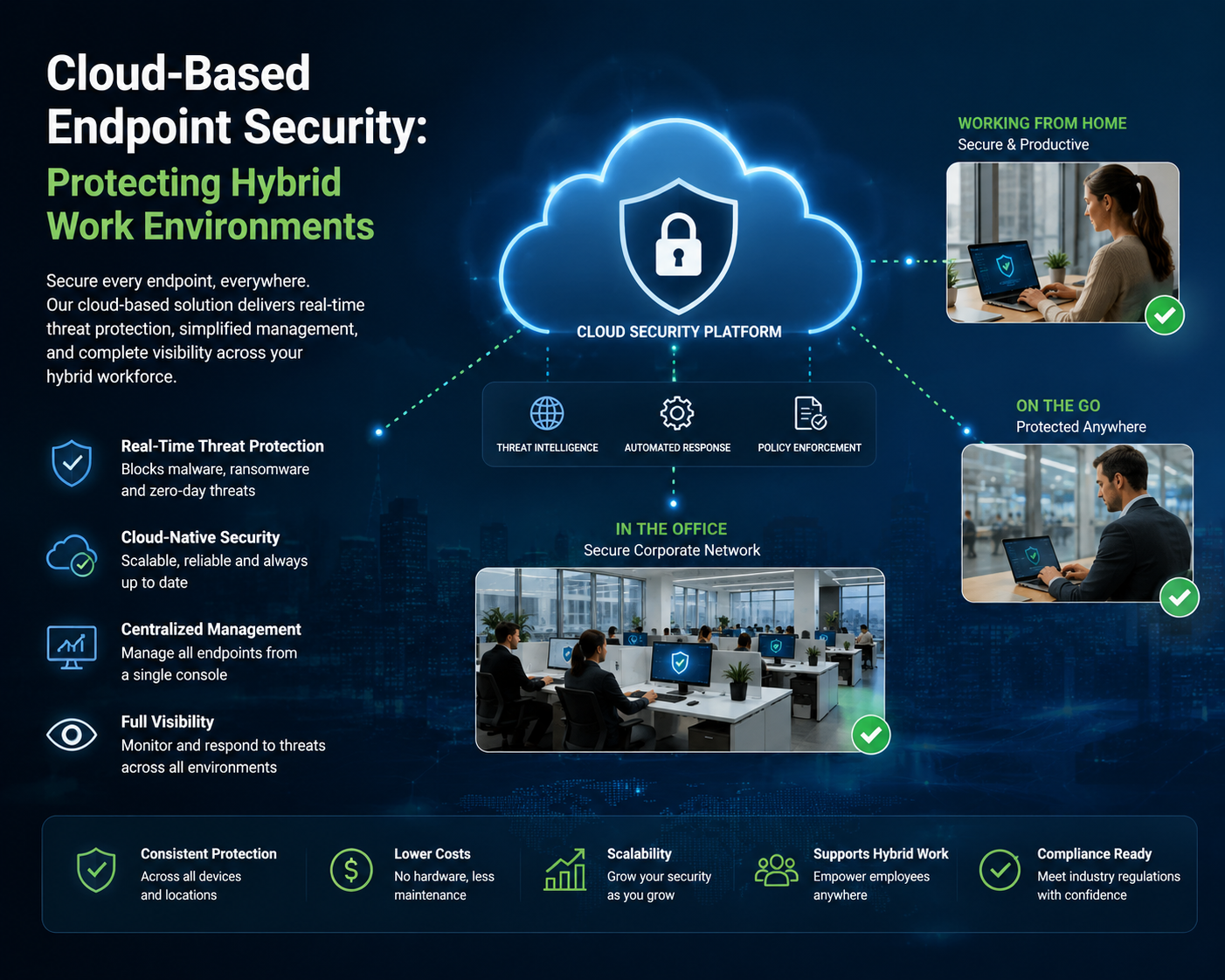
1. Implement unified, cloud-based endpoint protection solutions
Modern organisations require a central point of visibility for all their devices, whether on-site, working remotely, or using mobile devices. A cloud-managed service will ensure these things:
Centralised enforcement of policies
Faster deployment
Continuous monitoring of endpoints
2. Leverage AI-Driven EDR/XDR
The use of EDR and XDR systems provides a critical way for cyber teams to detect threats that traditional tools miss. Some advantages offered through the use of EDR/XDR include:
Utilising behavioural analytic capabilities to provide insights into users and endpoints
Automation to triage suspicious activities
Quickly contain compromised endpoints
3. Adopt a Zero-Trust verification method for all endpoint devices
All access requests from all endpoint devices (including users, devices, and workloads) will require authentication and validation before access to corporate resources is granted. This will further limit the ability to conduct lateral movement after an attack.
4. Implement strong hygiene policies for endpoints
It is important to develop and enforce endpoint hygiene policies. Some ways to implement strong hygiene policies would be:
Conduct regular patching of all operating systems and third-party applications
Require all endpoints to utilise encryption
Enable device control to block unauthorised USB usage
Implement monitoring strategies to prevent configuration drift
5. Extend security measures to mobile endpoints
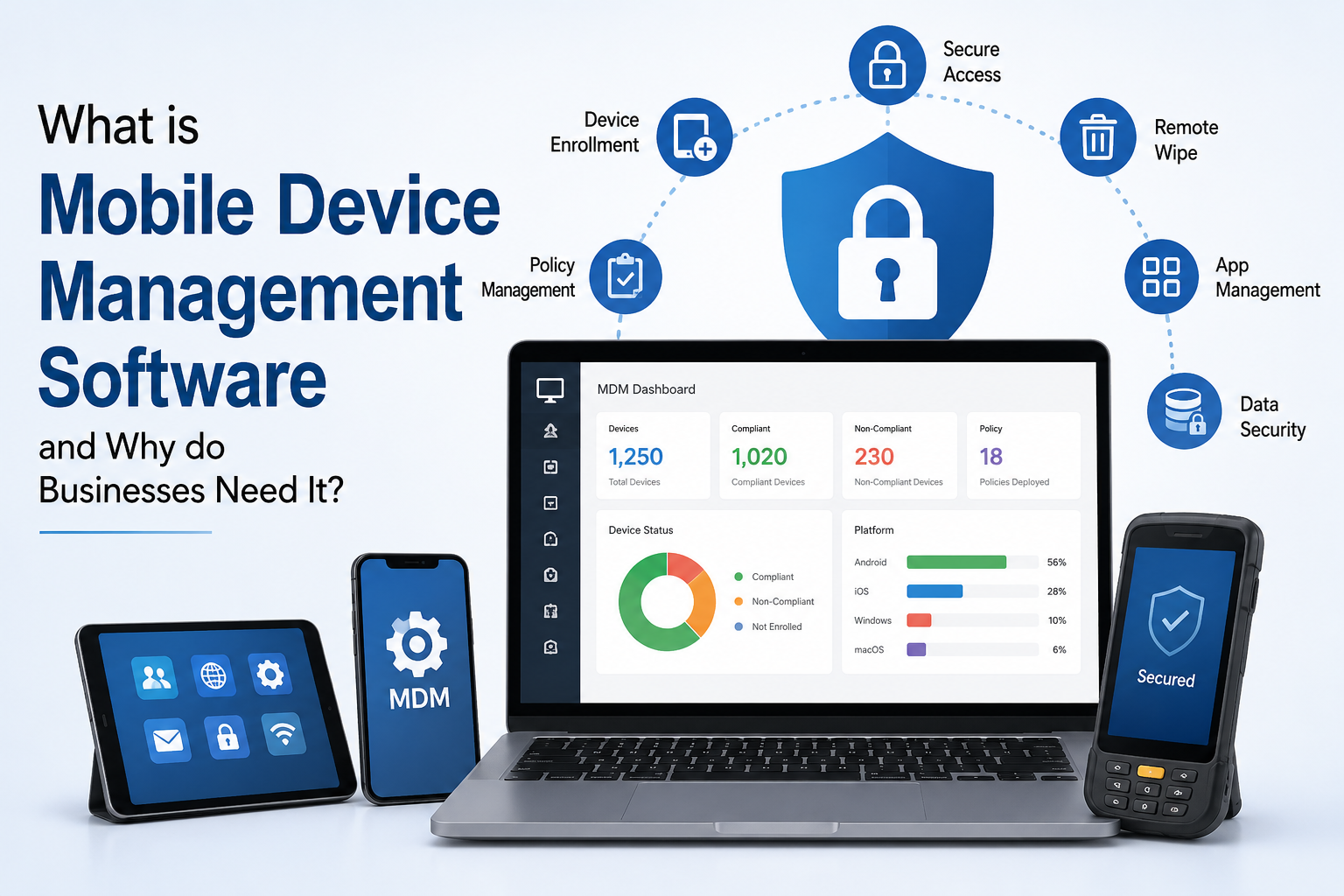
With hybrid workforces relying heavily on smartphones and tablets, it is essential to ensure that all mobile devices are protected. In this regard, incorporating EMM and MTD capabilities will allow for full-spectrum protection.
Strengthening Endpoint Security with Advanced Tools
Businesses must look beyond basic antivirus and adopt solutions that integrate threat intelligence, automation, and deep visibility.
Platforms such as Seqrite Endpoint Protection Enterprise Suite empower organisations with:
AI/ML-powered malware defence
Advanced device and application control
Ransomware protection
Centralised cloud-based management
Seamless integration with EDR, XDR, ZTNA, and data privacy modules
Insights from Seqrite Labs’ global threat intelligence
By combining prevention, detection, and response into a unified platform, enterprises can secure all endpoints across hybrid environments — without adding operational complexity.
Conclusion & Call to Action
Hybrid work is here to stay, and so are the cyber threats targeting distributed workforces. Enterprises that modernise their endpoint protection strategy can significantly reduce risk, improve compliance, and safeguard business continuity.
If you want to protect every device, user, and data asset across your hybrid workforce, explore how next-generation solutions from Seqrite can help deliver comprehensive, enterprise-grade security.
Strengthen your hybrid workforce security today — visit the Seqrite Endpoint Protection page to get started.



Write a comment ...