
The healthcare industry continues to accelerate its digital transformation—EMRs, connected medical devices, telemedicine platforms, and cloud-based systems now drive everyday operations. This progress brings unmatched efficiency, but it also expands the attack surface.
Cybercriminals aggressively target hospitals because patient records are highly valuable on the dark web, and healthcare environments often run legacy systems.
Strengthening cybersecurity for healthcare has become mission-critical to protect patient trust, ensure clinical continuity, and meet compliance mandates.
Why Data Security Matters in Modern Healthcare
Healthcare organisations, including medical history, identity, financial data, and diagnostic results, hold some of the most sensitive personal information. A data breach can severely disrupt the delivery of critical care and threaten the lives of people who rely on such services. For these reasons, IT leaders must enforce healthcare data security to:
Protect the confidentiality of patients and comply with all regulatory requirements
Avoid any disruptions to patient care that may impact their ability to seek emergency services
Minimise costs associated with lost productivity due to cybercrime or system outages
Maintain the healthcare institution’s credibility and trustworthiness
With an increase in digital technology adoption, cyber threat actors continue to exploit weaknesses in endpoint environments, networks, and cloud-based workstations, and remote-access setups. To remain confident in an organisation's ability to operate efficiently in a digital environment, organisations need to implement protective strategies to safeguard patient data against cyberattacks.
Common Cybersecurity Threats Targeting Healthcare
Threat actors constantly refine their tactics, making this market a pretty open field for attack. The most popular attack types include:
1. Ransomware and double extortion
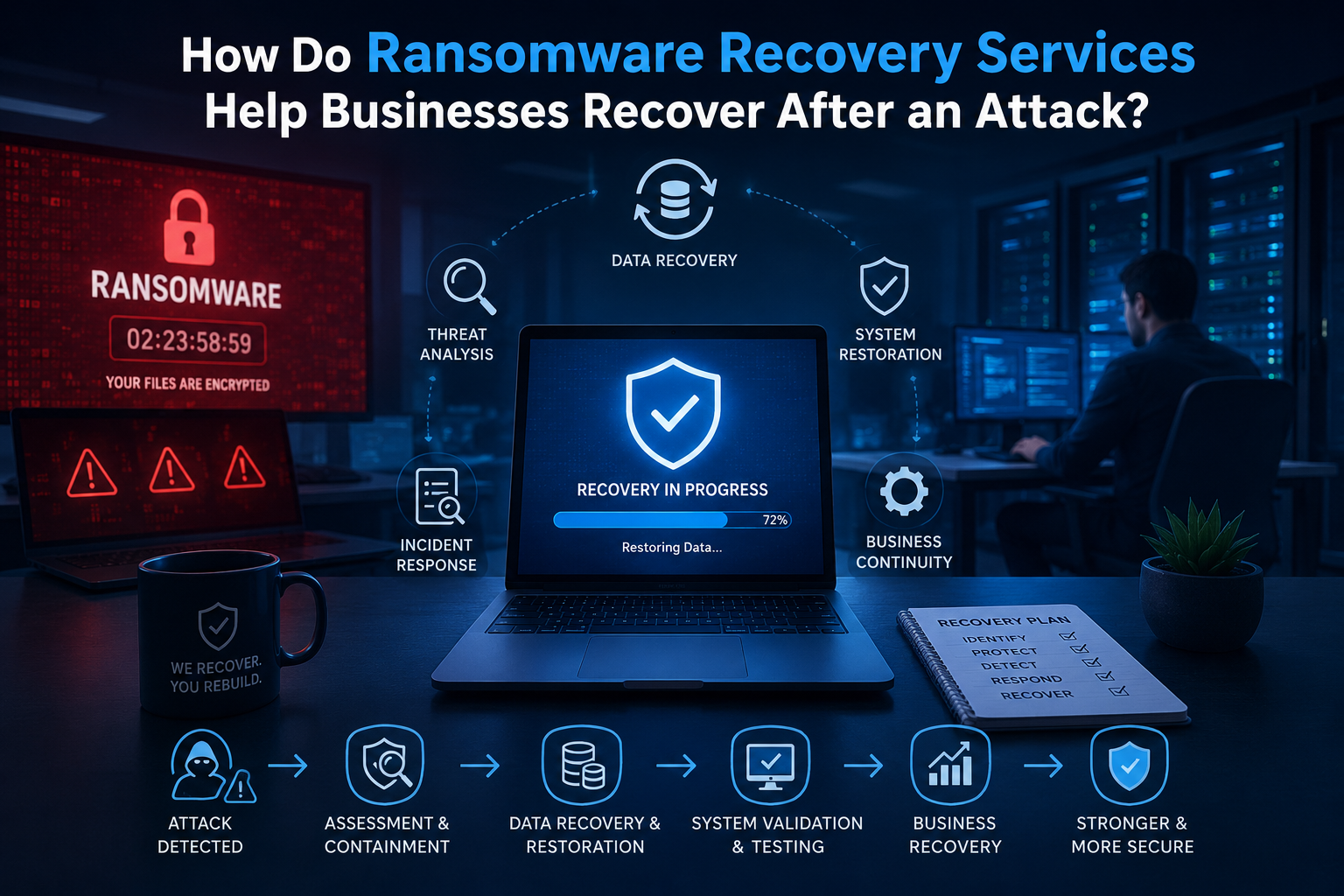
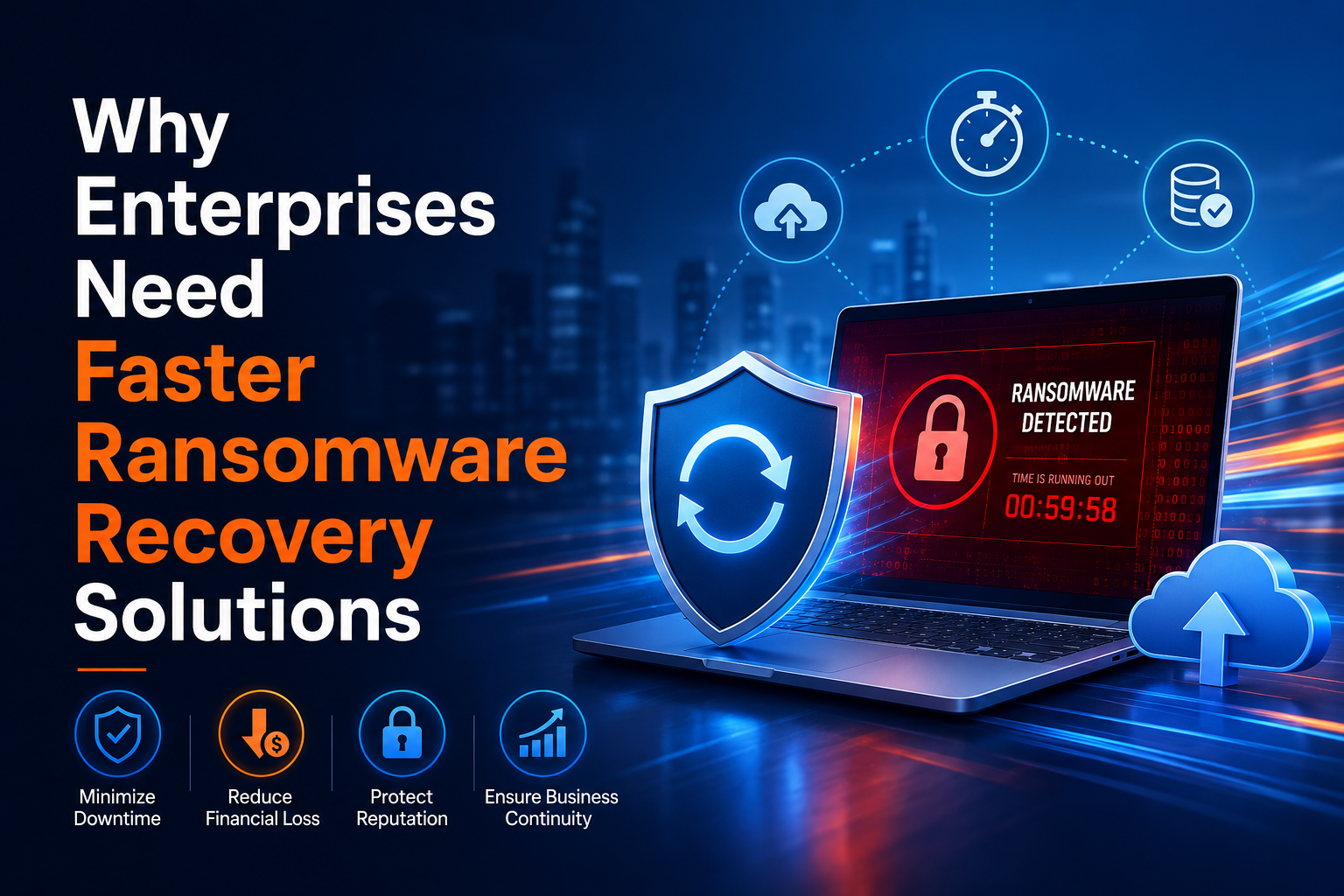
Cyber attackers encrypt the important systems and demand ransom payments. They also leak patient records in a few cases, which further pressures hospitals.
2. Compromised connected medical devices
Connected medical devices such as infusion pumps, heart monitors, and imaging machines often run outdated firmware. The attackers exploit these weaknesses to gain access to the hospital's internal network.
3. Phishing and stealing of credentials
Medical professionals with limited cybersecurity training become prime targets of phishing schemes. Once credentials are stolen, they expose disastrous vulnerabilities to EMR systems, billing platforms, and cloud environments.
4. Insider threats
Some disgruntled former employees or negligent insiders could intentionally or inadvertently expose sensitive patient information.
5. Cloud misconfigurations
As more healthcare providers shift to digital platforms, unsecured cloud storage or misconfigured IAM controls often lead to massive data leaks.
Compliance and Regulatory Requirements for Healthcare Providers
Hospitals must adhere to strict legal standards to ensure they handle data safely. Compliance frameworks set security parameters for how healthcare organisations should collect, store and access patient data. Some important regulations include:
HIPAA (United States) requires the implementation of administrative, physical, and technical safeguards to protect Protected Health Information (PHI).
The HITRUST CSF is a comprehensive, certifiable framework that incorporates numerous regulations in the healthcare industry.
DISHA (India - draft): aims to govern the protection of digital health data and promote privacy-first care delivery.
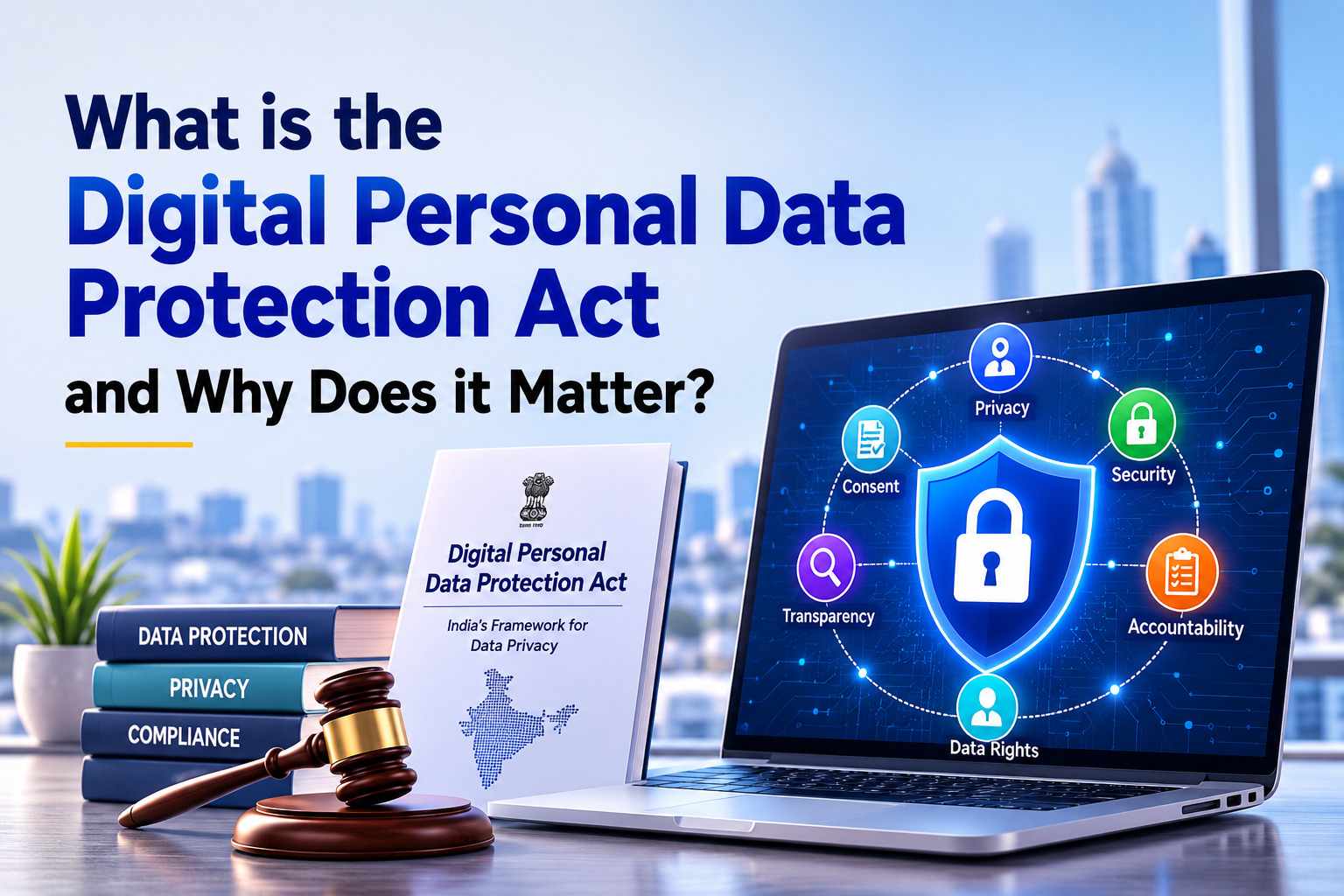
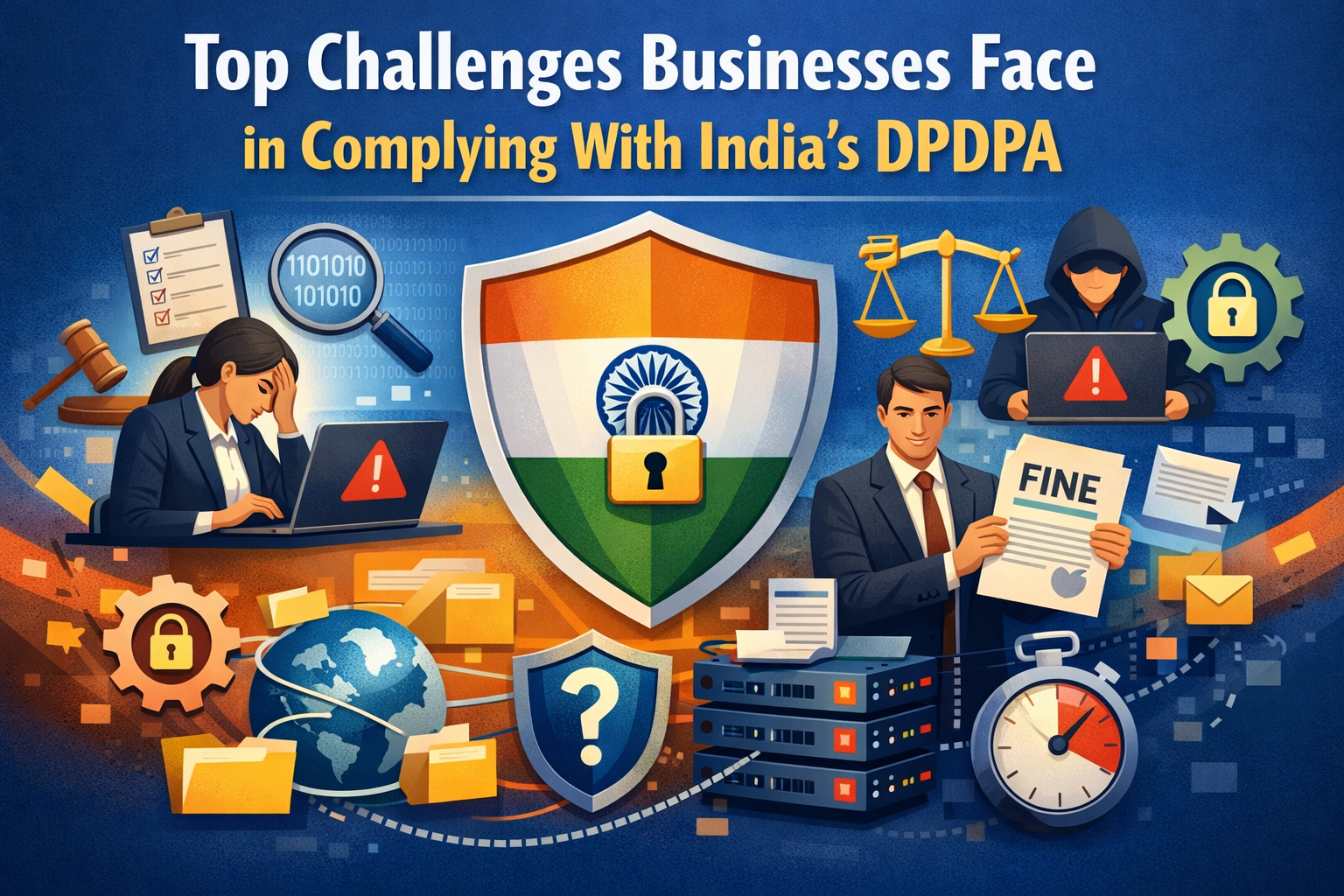
DPDP Act (India) governs the processing of personal data (including health data) in India. It requires that explicit consent be obtained when processing that data and that breaches be reported if such information is compromised.
CIOs and CISOs in the healthcare industry need to align their strategies for protecting healthcare data with these regulations, while also balancing them with how their organisations operate.
Best Practices to Strengthen Cybersecurity for Healthcare
A layered, proactive security posture ensures resilience across devices, identities, and patient data flows. Healthcare providers should adopt the following best practices:
1. Implement Zero Trust Architecture (ZTA)
Verify every user, device, and application. Enforce least-privilege access and micro-segmentation to prevent lateral movement inside networks.
2. Safeguard Endpoints and Medical Devices
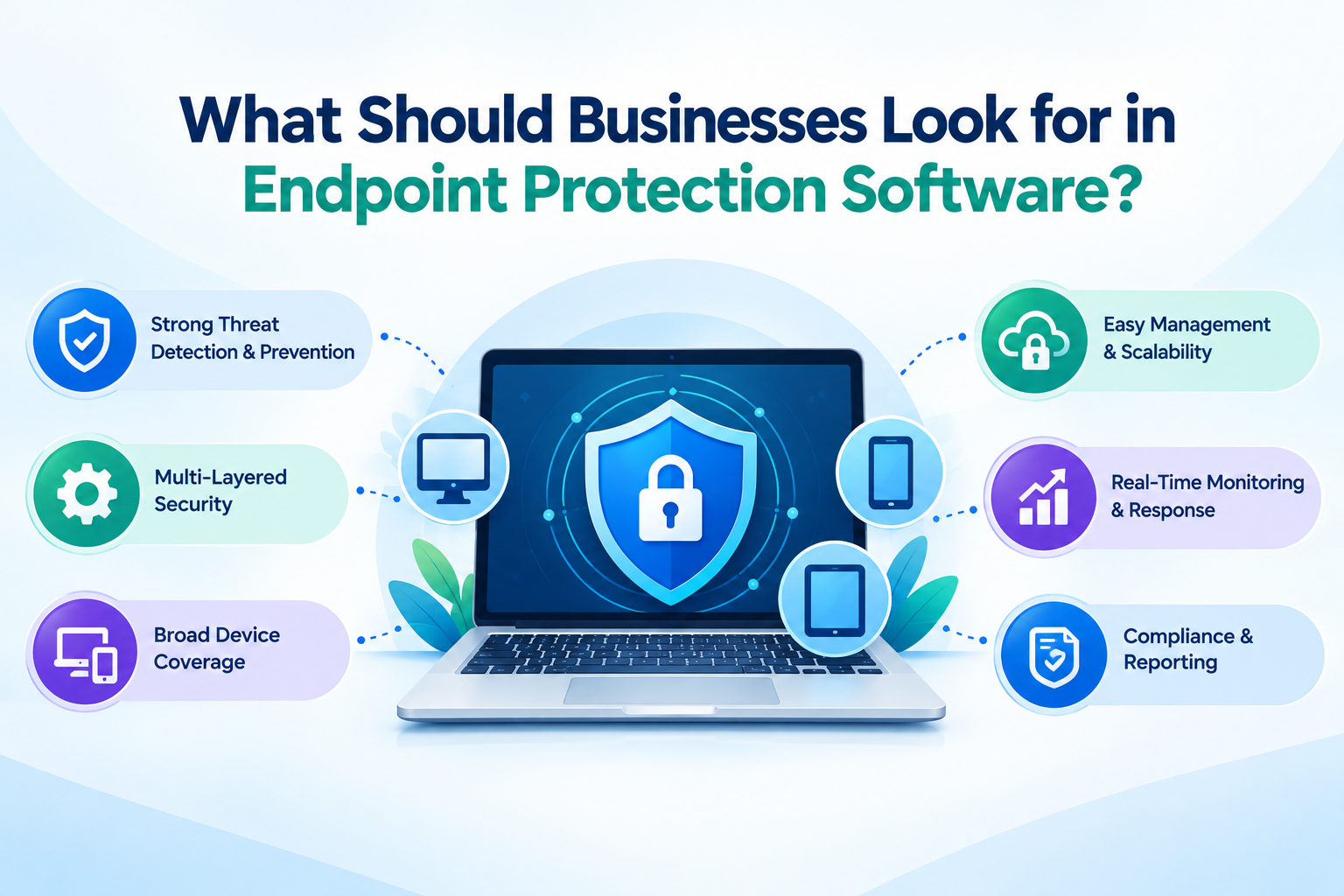
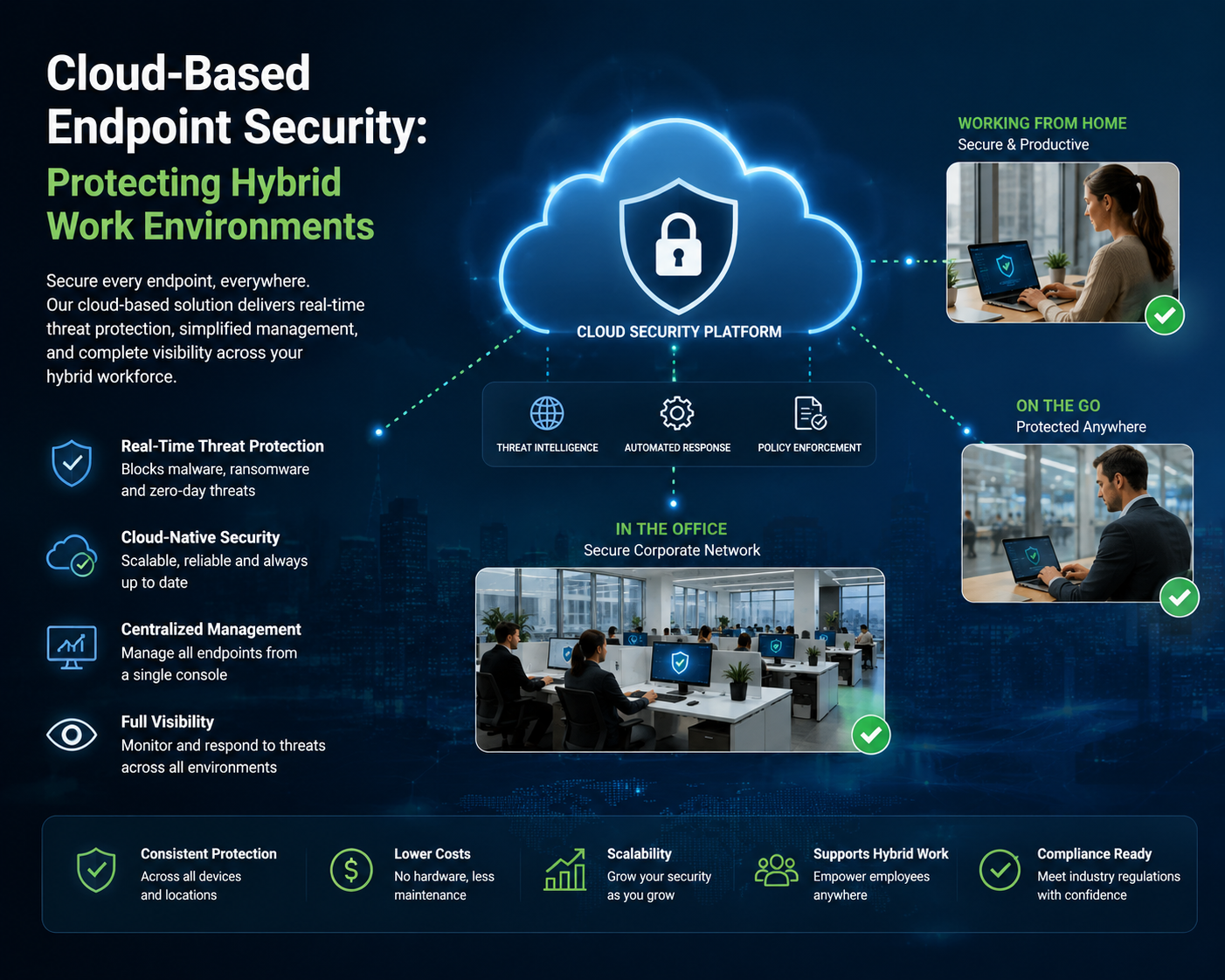
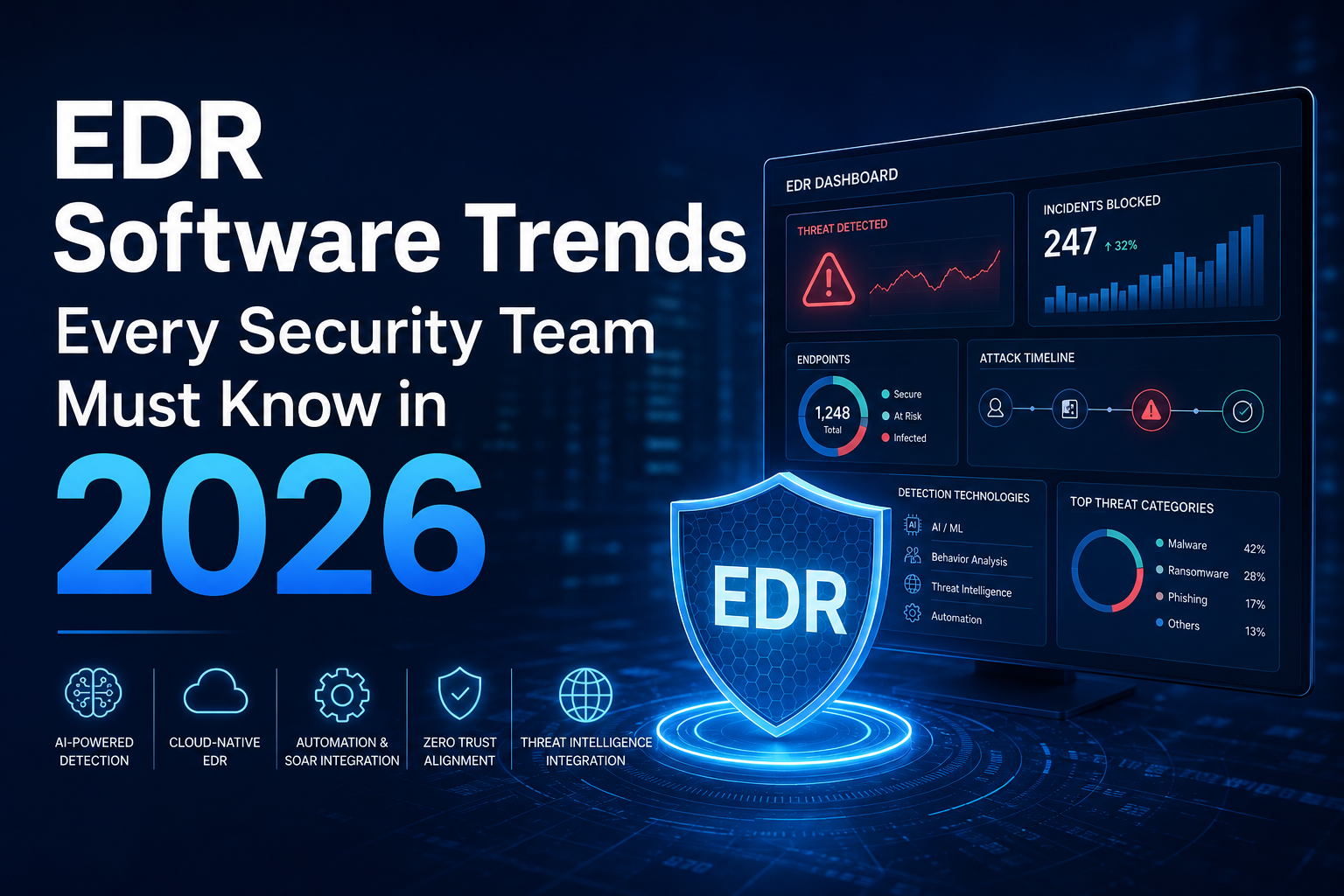
Use cutting-edge Endpoint Protection and EDR/XDR to detect and prevent ransomware attacks, intrusions and zero-day vulnerabilities. Continuously update the operating systems (OS), applications, and firmware on medical devices to protect against emerging threats.
3. Monitor 24/7 with Managed Detection & Response (MDR)
Use third-party cybersecurity specialists to conduct threat hunting and respond to incidents, containing threats more quickly and reducing downtime.
4. Secure Identity and Access Management (IAM)
To protect against credential-based attacks, implement multi-factor authentication, privileged access management and continuous monitoring.
5. Encrypt and Back Up Patient Data Every Time
Secure your patient data both in transit and at rest with encryption, and keep offline, unchangeable copies to recover from any ransomware attack.
6. Train Medical Staff on Cyber Hygiene
Human error remains a major risk. Regular awareness programmes help employees identify phishing attempts and follow secure data-handling practices.
How Seqrite Helps Healthcare Organisations Stay Cyber-Resilient
Seqrite protects over 30,000 businesses across the globe through integrated AI/ML-driven solutions built on the Cybersecurity Mesh Architecture and leveraging Seqrite Labs threat intelligence. Seqrite's enterprise solutions also protect a company's ecosystem of endpoints, networks, identities, cloud environments, and patient data in the healthcare industry.
Conclusion: Protect Patient Data with Enterprise-Grade Security
The digital future of healthcare depends on trust. Hospitals and medical institutions must strengthen cybersecurity for healthcare to protect patient safety, ensure operational continuity, and stay compliant with evolving regulations. A proactive, intelligence-led security strategy reduces risk, enhances resilience, and allows clinicians to focus on what matters most: delivering quality care.
Would you like to build a stronger healthcare organisation?
Contact Seqrite today to create a secure, compliant, and future-ready healthcare environment.
Write a comment ...