
As enterprises accelerate cloud adoption, embrace distributed work models, and face an expanded attack surface, EDR software has become the backbone of endpoint security. Yet, the way organisations use EDR is evolving rapidly. Traditional endpoint detection response capabilities no longer offer the depth, speed, or context required to counter advanced attacks that blend automation, identity compromise, and AI-generated malware.
In 2026, security teams need EDR platforms that provide smarter analytics, real-time response, and deep visibility across hybrid environments. Understanding where EDR stood—and where it’s heading—helps CISOs strengthen their cyber defence strategies.
Where EDR Software Stood Until Now
For most enterprises, EDR served as the next step beyond signature-based antivirus. Security teams relied on it to:
Detect suspicious activity at the endpoint
Collect telemetry for investigations
Block known threats and support manual response
Provide post-breach forensics
While these capabilities were significant improvements over legacy endpoint tools, they also had limitations: noisy alerts, slow investigations, limited contextual correlation, and limited visibility across cloud workloads, identities, and mobile devices. As attackers utilised automation and stealth techniques, security teams struggled to keep pace.
Between 2024 and 2025, organisations accelerated the adoption of EDR security tools with AI-driven detection and integrated threat intelligence. However, threat actors continued to evolve faster than traditional EDR capabilities, exposing gaps that modern platforms now aim to close in 2026.
What Is Driving Change in 2026
Three major forces are redefining what modern EDR must deliver:
1. AI-Enhanced Attacks
Attackers now use generative AI to create polymorphic malware, automate social engineering, and evade behavioural models. EDR needs advanced ML models, anomaly scoring, and continuous retraining.
2. Explosion of Hybrid Work and Shadow IT
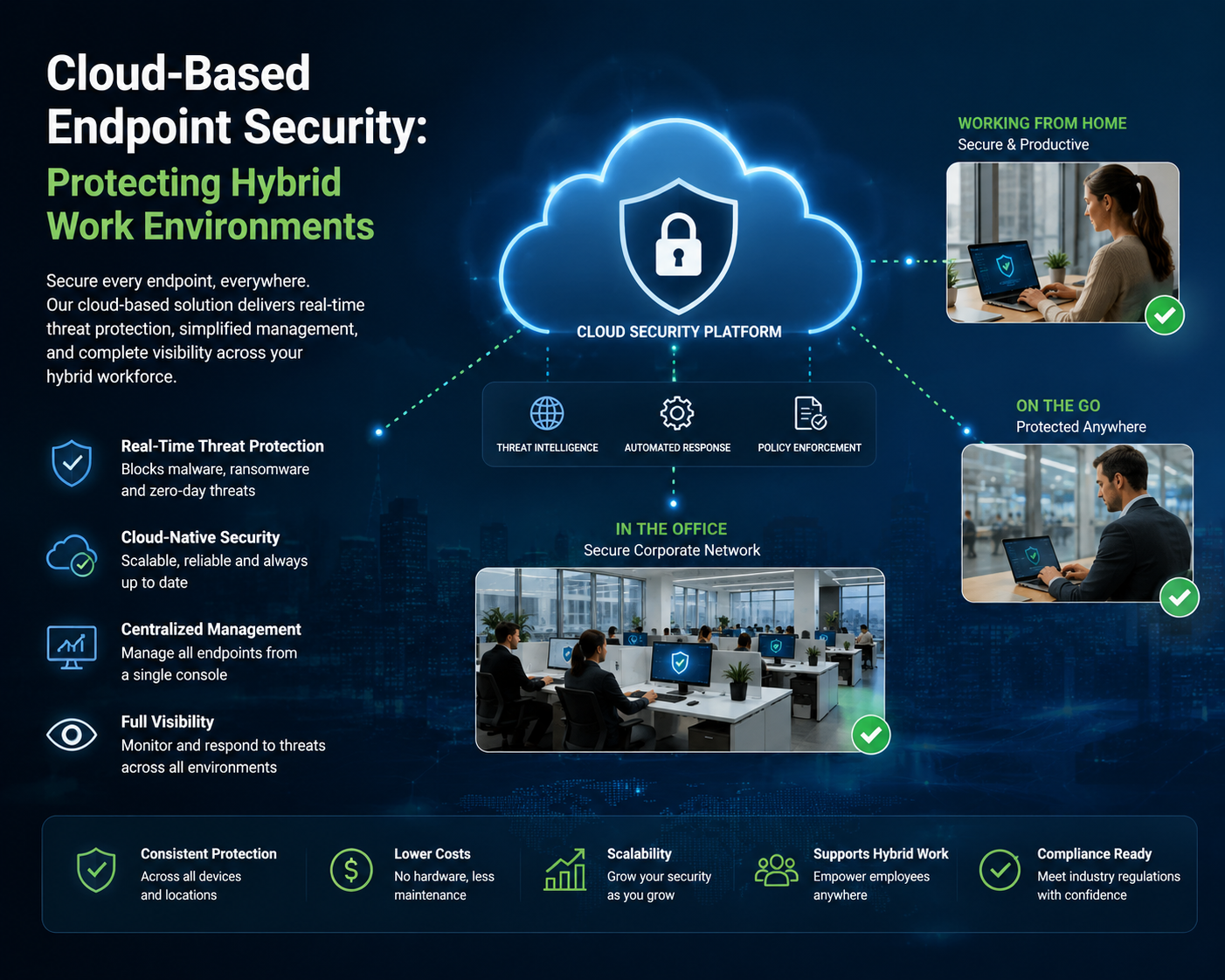
Endpoints exist everywhere—office devices, home networks, mobile phones, cloud workloads. Traditional endpoint detection response tools cannot scale without a cloud-native architecture and real-time telemetry.
3. Regulatory Pressure Across India, the US, and the EU
Mandates on data privacy, incident reporting, and Zero Trust compliance require CISOs to adopt EDR platforms that support automated logging, audit readiness, and identity-aware controls.
Top EDR Trends Security Teams Must Track in 2026
1. Convergence of EDR, XDR, and ZTNA
No longer does EDR function independently; leading-edge systems are now merging:
- Endpoint telemetry
- Network signals
- Identity data
- Cloud workload activity
This merging of the four data sources enables security teams to detect cross-domain attacks more quickly while enforcing dynamic Zero Trust policies.
2. Predictive Threat Modelling with GenAI
EDR tools are evolving from threat detection to threat prediction. GenAI models will simulate potential attack paths, identify afferent assets exposed, and provide guidance on configuring systems to prevent attacks before they occur.
3. Identity-First Endpoint Security
Credential abuse is currently the most common attack. As such, EDR in 2026 will actively incorporate deeper analytics regarding identity through:
- Privilege misuse detection
- Lateral movement mapping
- Adaptive access management
In this way, both identity and endpoint telemetry can work hand in hand to drive automated response.
4. Automated Response and Playbooks
EDR platforms now provide pre-built, customisable automated responses. Such automated responses would include, but are not limited to, the following:
- Isolation of files
- Stopping or terminating processes
- Locking out users
- Containing a host
The result of these types of improvements is a dramatic reduction in the mean-time-to-respond (MTTR) to threats in general. This is extremely important for resource-constrained security teams.
5. Cloud-Scale Telemetry & Edge Analytics
EDR solutions now process vast telemetry in real time using distributed analytics. This improves detection accuracy while reducing false positives and alert fatigue.
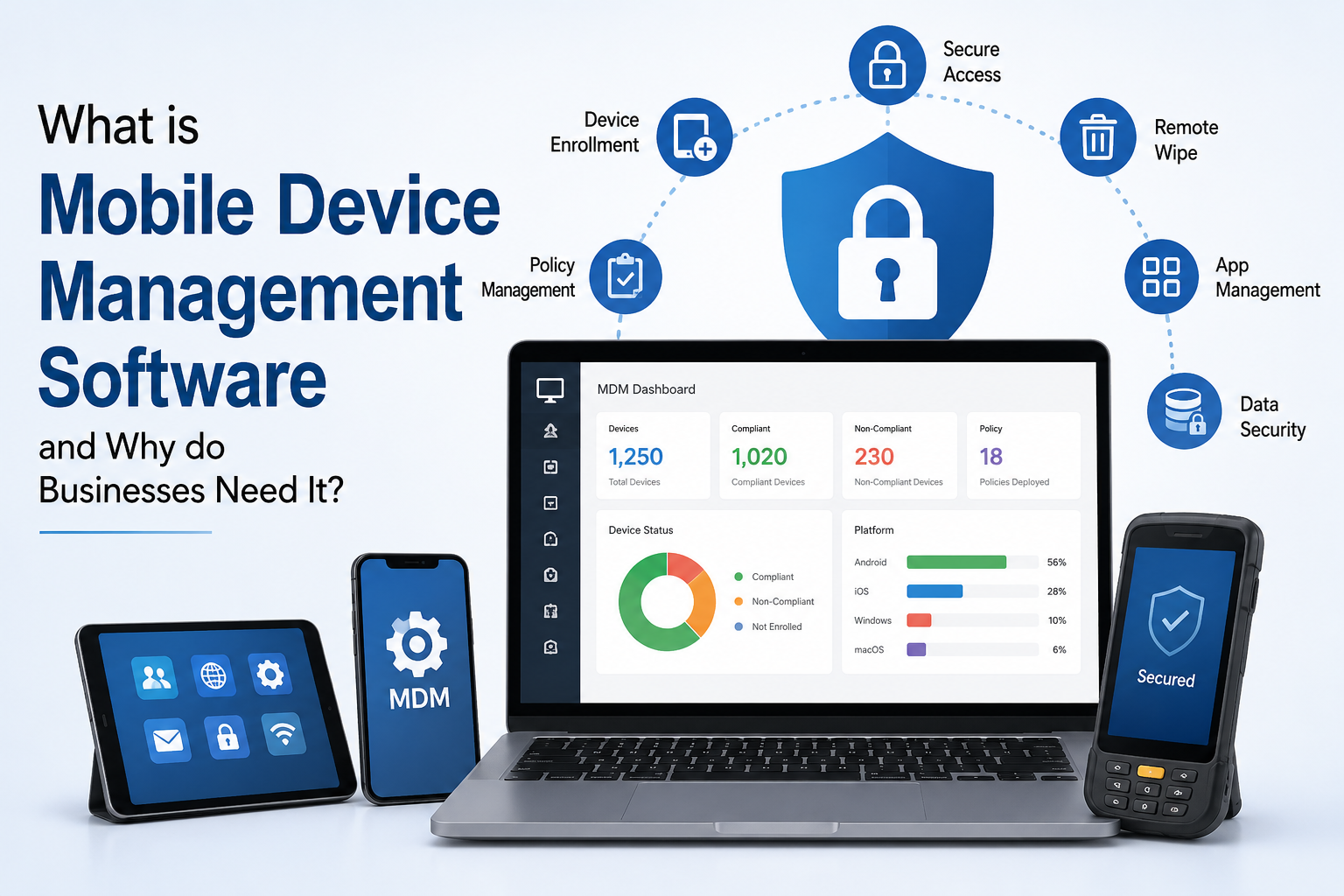
6. Unified Management for Mobile & Remote Endpoints
Security teams increasingly standardise protection across laptops, servers, smartphones, and tablets. EDR integrates seamlessly with Enterprise Mobility Management (EMM) solutions to provide consistent enforcement.
How Security Teams Can Future-Proof Their EDR Strategy
To stay ahead of emerging threats, CISOs should prioritise EDR software that:
Uses AI/ML models trained continuously with global threat intelligence
Integrates with XDR, ZTNA, DLP, and IAM platforms
Supports automated response and orchestrated playbooks
Provides visibility across endpoints, cloud workloads, identities, and networks
Operates on a scalable cybersecurity mesh architecture
Offers compliance-ready logging and reporting
Delivers unified management for diverse device ecosystems
Seqrite’s EDR—powered by Seqrite Labs’ threat intelligence and built on Cybersecurity Mesh Architecture principles—helps enterprises achieve these goals with deep detection visibility, AI-driven analytics, and rapid incident containment.
Conclusion: Build a Resilient, AI-Ready Endpoint Defence
The future of endpoint detection response is clear: security teams must embrace EDR platforms that combine intelligence, automation, and architecture-level resilience. As threats become more automated and identity-centric, organisations need solutions that adapt faster than attackers innovate.

















Write a comment ...