
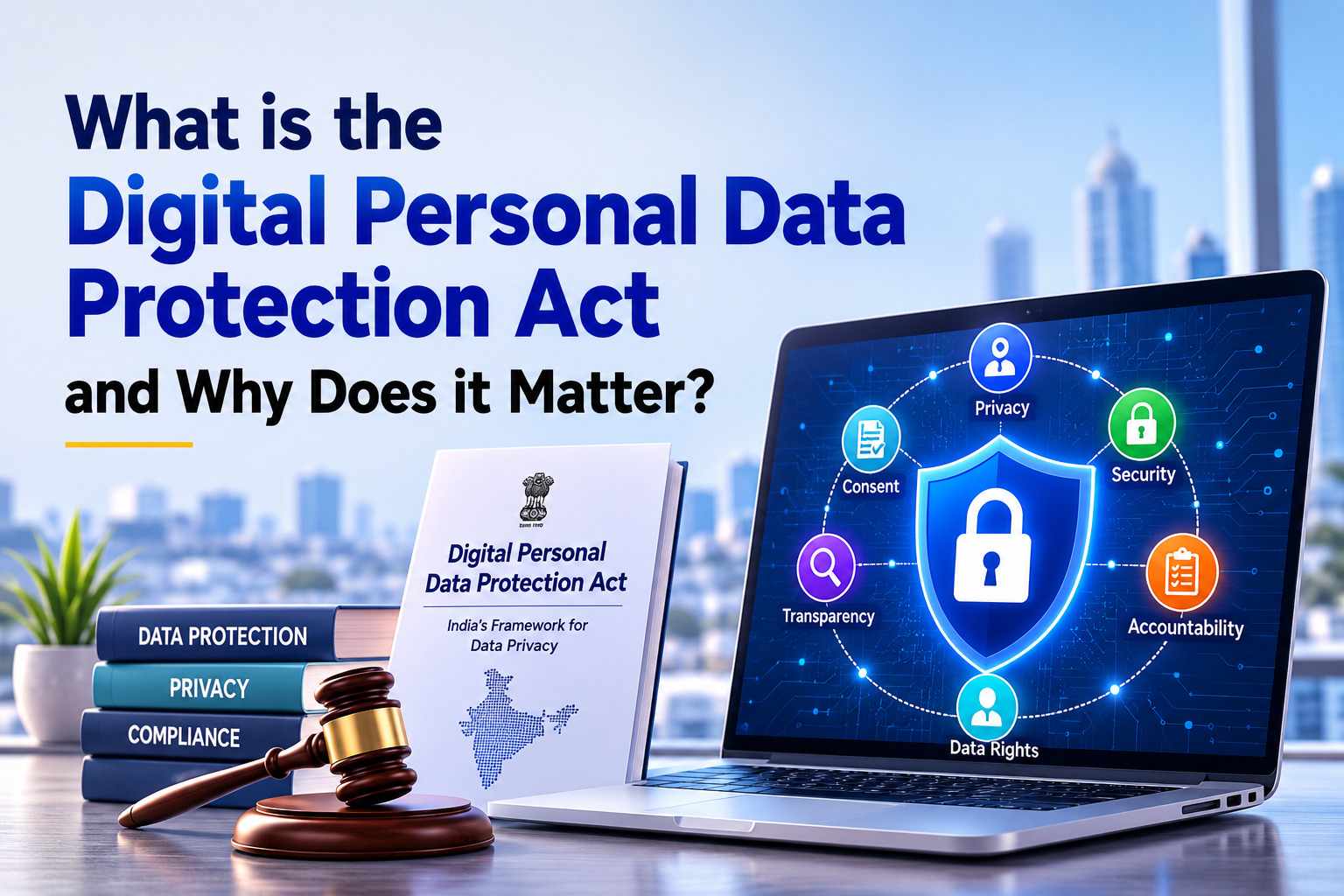
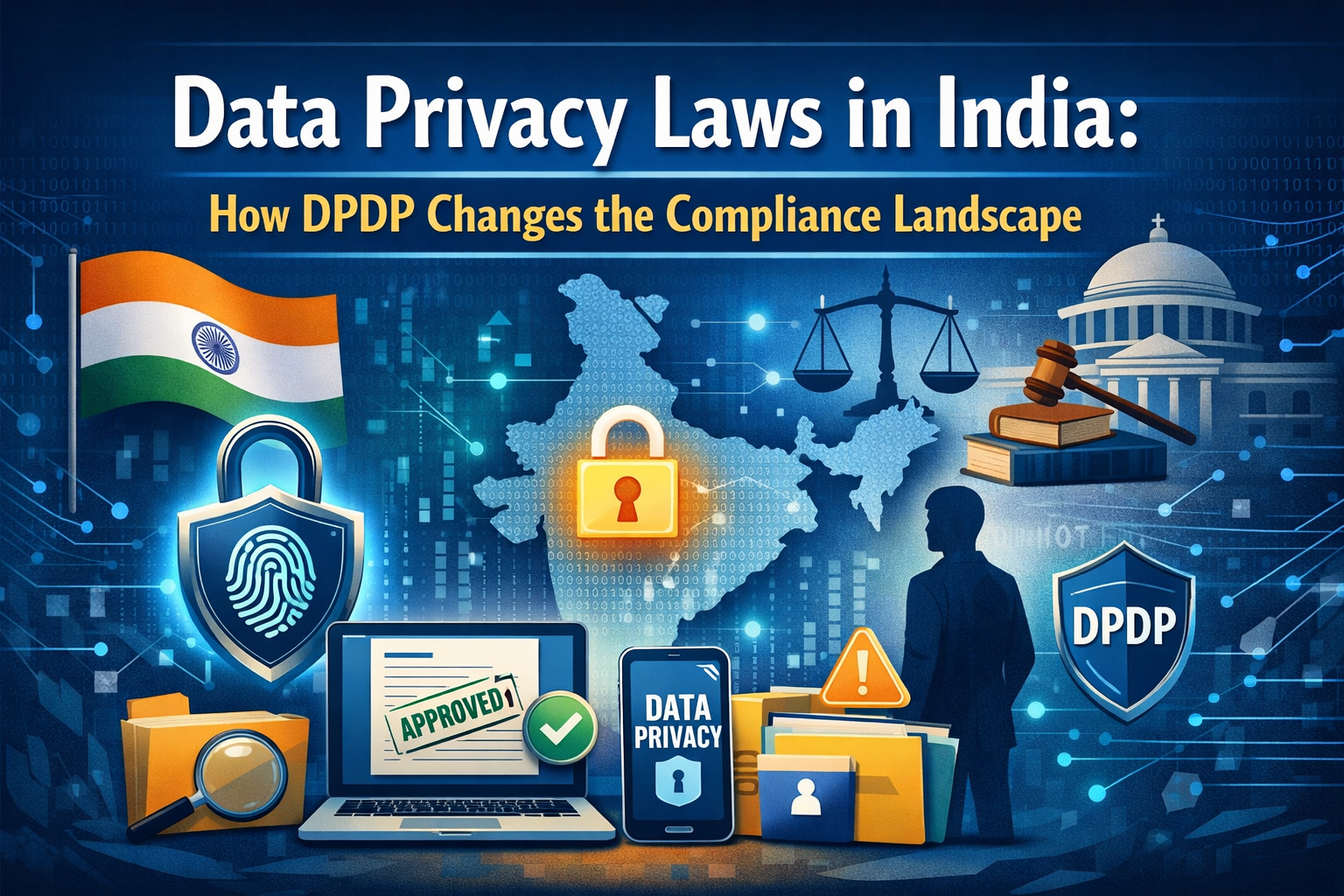
India’s Digital Personal Data Protection Act (DPDPA) marks a new era of data governance, accountability, and user rights. While the law strengthens trust in the digital ecosystem, many organisations still struggle to interpret and operationalise its requirements. Across industries—BFSI, IT/ITeS, healthcare, manufacturing, retail, and telecom—enterprises are now revisiting their security, governance, and compliance frameworks to understand what true compliance demands.
As enforcement draws closer, businesses must address the real-world DPDPA compliance challenges that impact their data handling, technology stack, and organisational processes.
Understanding What DPDPA Compliance Means for Enterprises
To comply with DPDPA India, organisations must establish strong mechanisms to ensure lawful processing of digital personal data. This includes the following:
Obtaining clear and informed consent
Maintaining transparent data-handling practices
Implementing strong security controls to prevent breaches
Ensuring data accuracy, confidentiality, and minimal retention
Establishing processes to honour data principal rights
Demonstrating accountability through documented governance
Reporting data breaches promptly
While these expectations seem straightforward, aligning them with existing enterprise workflows often proves far more complex.
The Most Common Challenges in Meeting DPDPA India Requirements
1. Lack of Visibility Into Data Assets
Many organisations do not have a complete inventory of where personal data resides—across endpoints, servers, applications, shadow IT, cloud storage, and third-party systems.
Without accurate visibility, they cannot classify, monitor, or protect personal data as mandated by the Act.
2. Fragmented & Inconsistent Security Architecture
With the rise of legacy environments, distributed workforces, hybrid networks and multi-cloud, security postures are often inconsistent (fragmented). As such, it’s often difficult to create consistent policies, access controls, encryption requirements and breach-response mechanisms.
3. Weak Consent & Data Management Processes
As part of DPDPA, there must be explicit and informed consent provided for the collecting, using or disclosing of individuals 'personal data. In addition to providing a mechanism for individuals to withdraw their consent (opt out) from using their personal data, the organisation is also required to have:
Lifecycle of consent management
Automated workflows for withdrawing consent
Audit trails of consent and evidence of consent
Mechanism for fulfilling deletion requests
The lack of these components exposes organisations to risks of non-compliance and operational inefficiencies.
4. Third-Party and Vendor Risks
Enterprises depend on complex vendor ecosystems. Many vendors do not meet DPDPA India standards, exposing organisations to shared liability. Monitoring vendors, assessing risk, and enforcing contractual compliance add significant workload to already stretched IT and compliance teams.
5. Talent and Skills Shortage
There is a limited pool of professionals who understand both cybersecurity and data-protection law. This shortage slows policy creation, risk assessments, architecture redesign, and technology deployment.
6. High Cost and Operational Complexity of Implementation
Compliance often requires implementing:
Advanced threat protection
Policy-driven access controls
Data-loss-prevention frameworks
Continuous monitoring
Strong identity and device governance
For many organisations, the cost and complexity of upgrading technology and processes become major DPDPA compliance challenges.
Operational Impact: Why These Challenges Matter
Failing to comply with DPDPA affects organisations in several ways:
Risk of penalties and legal liability
Erosion of customer trust and brand credibility
Operational disruption during audits or breach investigations
Increased cybersecurity exposure due to weak controls
Loss of competitive advantage in markets requiring high data-governance maturity
Compliance is not just a legal requirement—it's a business necessity.
Practical Solutions to Strengthen DPDPA Compliance
Forward-looking organisations adopt a structured and technology-driven approach:
1. Build a Unified Data-Visibility and Classification Framework
Deploy solutions that map data flows across endpoints, cloud, networks, and applications, and classify personal data based on sensitivity.
2. Use Identity-Based Access Control
Use ZTNA, Zero Trust principles, MFA, and least-privilege access to decrease the chance of unauthorised access to data.
3. Improve Endpoint, Network, and Cloud Security
AI-powered endpoint security, XDR, threat intelligence, and automated response systems help prevent breaches and provide accountability.
4. Modernise Consent and Data-Lifecycle Management
Automate consent collection, withdrawal, deletion, storage limitation, and audit trails.
5. Ongoing Surveillance and Planning for Incident Readiness
Establish security incident response and recovery plan(s); develop a continuous monitoring and review process using MDR-based services on a 24×7 basis; perform regular compliance audits.
Using a combination of Seqrite’s cybersecurity portfolio —including Endpoint Protection, EDR & XDR, DLP, Zero Trust Network Access, MDR and mobile device governance —enterprises can build a resilient, audit-ready DPDPA-compliant framework.
Conclusion: DPDPA Compliance Demands a Security-First Mindset
DPDPA India is more than a regulatory mandate; it is an opportunity to strengthen cybersecurity posture and build long-term digital trust. Organisations that address the structural and operational challenges now will reduce risk, accelerate compliance maturity, and inspire confidence among customers and stakeholders.
To build a secure, compliant, and scalable data-protection framework, connect with Seqrite’s cybersecurity experts today.









Write a comment ...